 15 Facts About Grenada Most People Get Wrong
Grenada is home to 113K people across 344 km², making it more densely populated than most of its neighbours. It ranks 1st in the world for Nutmeg.
Below are 15 facts about Grenada, covering history, geography, economy and culture, including several that regularly surprise people who think they already know the country.
15 Facts About Grenada
A complete overview of Grenada's history, geography, economy and culture, covering everything from population and borders to language, climate and travel.
Grenada is called the Spice Isle, it's the world's second largest nutmeg producer.
Grenada has the world's first underwater sculpture park.
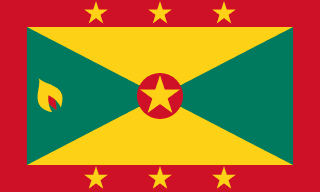
Nutmeg even appears on Grenada's national flag.
Grenada gained independence from Britain in 1974.
Grenada is located in Caribbean, North America, with its capital city in Saint George's.
The population of Grenada is approximately 113K, spread across 344 km² of territory.
Grenada has a population density of 329/km²: one of the more densely populated countries in the region.
Grenada has a coastline of 121 km, giving it access to maritime trade, fishing and coastal tourism.
Grenada is an island nation with no land borders, surrounded entirely by water.
The official language of Grenada is English, making it straightforward for international visitors to communicate.
Grenada uses the East Caribbean Dollar (XCD) as its official currency.
Grenada gained independence in 1974, establishing itself as a sovereign nation in Caribbean.
The total GDP of Grenada is $1.3B, with a GDP per capita of $11,504, classifying it as a upper-middle-income economy.
Grenada has a tropical, dry season january–may climate, with the best time to visit being January–May.
Grenada is considered a Mid destination for travellers, with meals averaging $8–16.
Grenada is called the Spice Isle, it's the world's second-largest producer of nutmeg, which even appears on its flag. It also has the world's first underwater sculpture park, 65 life-size sculptures submerged on the ocean floor.
🏆 Grenada World Rankings
Grenada holds several notable world rankings; here is how it compares globally:
Famous Places in Grenada
Grenada is home to several remarkable landmarks and destinations that draw visitors from around the world:
🤿 Underwater Sculpture Park
World's first underwater sculpture park, 65 haunting life-size figures on the ocean floor
🏖️ Grand Anse Beach
One of the Caribbean's finest beaches, 3km of white sand and turquoise water
🏰 Fort George
An 18th-century British fort with panoramic views over Saint George's harbour
🌿 Grand Etang National Park
A volcanic crater lake surrounded by lush rainforest, mona monkeys and tropical birds
Frequently Asked Questions About Grenada
What is Grenada famous for?
Grenada is called the Spice Isle, it's the world's second-largest producer of nutmeg, which even appears on its flag. It also has the world's first underwater sculpture park, 65 life-size sculptures submerged on the ocean floor.
What is the capital of Grenada?
The capital of Grenada is Saint George's.
What is the population of Grenada?
The population estimate for Grenada is approximately 113K.
What language do they speak in Grenada?
The official language of Grenada is English.
When did Grenada become an independent country?
Grenada gained independence in 1974.
What currency does Grenada use?
Grenada uses the East Caribbean Dollar (XCD).
What is the GDP of Grenada?
Grenada has a GDP of $1.3B, with a GDP per capita of $11,504.
Where is Grenada located?
Grenada is located in Caribbean, North America.
Is Grenada safe to visit?
Safety conditions in Grenada vary by region. Always check your government's official travel advisory before visiting.
What are some fun facts about Grenada?
Grenada is called the Spice Isle, it's the world's second largest nutmeg producer. Grenada has the world's first underwater sculpture park. Nutmeg even appears on Grenada's national flag.
What are some interesting facts about Grenada?
Grenada has the world's first underwater sculpture park. Nutmeg even appears on Grenada's national flag. Grenada gained independence from Britain in 1974.
Grenada facts: what should I know?
Grenada is a country in Caribbean with a population of 113K. Its capital is Saint George's and its official language is English. Grenada is called the Spice Isle, it's the world's second largest nutmeg producer.
Explore More About Grenada
Want to explore another country? Generate a random country and discover somewhere new.