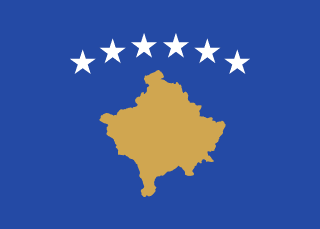
 16 Facts About Kosovo Most People Get Wrong
Kosovo is home to 1.8M people across 10,887 km², making it a country whose population is spread fairly evenly across its territory. It ranks 1st in the world for Newest Country in Europe.
Below are 16 facts about Kosovo, covering history, geography, economy and culture, including several that regularly surprise people who think they already know the country.
16 Facts About Kosovo
A complete overview of Kosovo's history, geography, economy and culture, covering everything from population and borders to language, climate and travel.
Kosovo declared independence on 17 February 2008, making it one of the newest countries in the world and the youngest in Europe.
Over 100 countries recognise Kosovo as an independent state, including the United States and the majority of European Union members.
Kosovo has one of the youngest populations in Europe, with a median age of around 29 years, a stark contrast to its ageing European neighbours.
The capital Pristina is one of the fastest-growing cities in the Western Balkans, with a rapidly developing economy driven by diaspora investment.
Kosovo is home to important medieval Serbian Orthodox monasteries, including Visoki Dečani, which is a UNESCO World Heritage Site.
Kosovo is located in Southern Europe, Europe, with its capital city in Pristina.
The population of Kosovo is approximately 1.8M, spread across 10,887 km² of territory.
Kosovo has a population density of 167/km²: a moderate density for its region.
Kosovo is a landlocked country with no coastline, relying entirely on neighbouring countries for access to international trade routes.
Kosovo shares land borders with 4 countries: Serbia, North Macedonia, Albania, Montenegro.
The official languages of Kosovo are Albanian / Serbian.
Kosovo uses the Euro (EUR) as its official currency.
Kosovo gained independence in 2008, establishing itself as a sovereign nation in Southern Europe.
The total GDP of Kosovo is $10.4B, with a GDP per capita of $5,700, classifying it as a lower-middle-income economy.
Kosovo has a continental, hot summers, cold winters climate, with the best time to visit being May–September.
Kosovo is considered a Budget–Mid destination for travellers, with meals averaging $5–10.
Kosovo is one of the youngest countries in the world, having declared independence from Serbia on 17 February 2008. It is recognised by over 100 countries, including the US and most EU members.
🏆 Kosovo World Rankings
Kosovo holds several notable world rankings; here is how it compares globally:
Famous Places in Kosovo
Kosovo is home to several remarkable landmarks and destinations that draw visitors from around the world:
⛪ Visoki Dečani Monastery
A 14th-century Serbian Orthodox monastery and UNESCO World Heritage Site, one of the best-preserved medieval monuments in the Balkans.
🏙️ Pristina
The capital and largest city of Kosovo, known for its vibrant café culture, young population and rapidly developing urban landscape.
🏔️ Rugova Canyon
One of the longest and deepest canyons in Europe, stretching over 25 km through the Albanian Alps in western Kosovo.
Frequently Asked Questions About Kosovo
What is Kosovo famous for?
Kosovo is one of the youngest countries in the world, having declared independence from Serbia on 17 February 2008. It is recognised by over 100 countries, including the US and most EU members.
What is the capital of Kosovo?
The capital of Kosovo is Pristina.
What is the population of Kosovo?
The population estimate for Kosovo is approximately 1.8M.
What language do they speak in Kosovo?
The official languages of Kosovo are Albanian / Serbian.
When did Kosovo become an independent country?
Kosovo gained independence in 2008.
What currency does Kosovo use?
Kosovo uses the Euro (EUR).
What is the GDP of Kosovo?
Kosovo has a GDP of $10.4B, with a GDP per capita of $5,700.
Where is Kosovo located?
Kosovo is located in Southern Europe, Europe.
Is Kosovo safe to visit?
Safety conditions in Kosovo vary by region. Always check your government's official travel advisory before visiting.
What are some fun facts about Kosovo?
Kosovo declared independence on 17 February 2008, making it one of the newest countries in the world and the youngest in Europe. Over 100 countries recognise Kosovo as an independent state, including the United States and the majority of European Union members. Kosovo has one of the youngest populations in Europe, with a median age of around 29 years, a stark contrast to its ageing European neighbours.
What are some interesting facts about Kosovo?
Over 100 countries recognise Kosovo as an independent state, including the United States and the majority of European Union members. Kosovo has one of the youngest populations in Europe, with a median age of around 29 years, a stark contrast to its ageing European neighbours. The capital Pristina is one of the fastest-growing cities in the Western Balkans, with a rapidly developing economy driven by diaspora investment.
Kosovo facts: what should I know?
Kosovo is a country in Southern Europe with a population of 1.8M. Its capital is Pristina and its official language is Albanian / Serbian. Kosovo declared independence on 17 February 2008, making it one of the newest countries in the world and the youngest in Europe.
Explore More About Kosovo
Want to explore another country? Generate a random country and discover somewhere new.