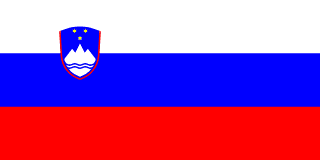
 15 Facts About Slovenia Most People Get Wrong
Slovenia is home to 2.1M people across 20,273 km², making it a country whose population is spread fairly evenly across its territory. It ranks 1st in the world for Green Capital.
Below are 15 facts about Slovenia, covering history, geography, economy and culture, including several that regularly surprise people who think they already know the country.
15 Facts About Slovenia
A complete overview of Slovenia's history, geography, economy and culture, covering everything from population and borders to language, climate and travel.
Lake Bled is one of Europe's most photographed landscapes.
Postojna Cave is the largest cave system in Europe open to visitors.
Ljubljana was named European Green Capital with a fully car-free centre.
Slovenia has the Alps, Mediterranean coast and Pannonian plains all within 2 hours.
Slovenia is located in Central Europe, Europe, with its capital city in Ljubljana.
The population of Slovenia is approximately 2.1M, spread across 20,273 km² of territory.
Slovenia has a population density of 104/km²: a moderate density for its region.
Slovenia has a coastline of 47 km, giving it access to maritime trade, fishing and coastal tourism.
Slovenia shares land borders with 4 countries: Austria, Hungary, Croatia, Italy.
The official language of Slovenia is Slovenian.
Slovenia uses the Euro (€) as its official currency.
Slovenia gained independence in 1991, establishing itself as a sovereign nation in Central Europe.
The total GDP of Slovenia is $62.1B, with a GDP per capita of $29,571, classifying it as a upper-middle-income economy.
Slovenia has a alpine north, mediterranean coast, continental east climate, with the best time to visit being May–September.
Slovenia is considered a Mid destination for travellers, with meals averaging $8–16.
Slovenia punches far above its weight for a tiny country, it has the Alps, a Mediterranean coast, karst caves and a UNESCO-listed capital all within 2 hours of each other. Lake Bled with its island church is one of Europe's most photographed landscapes.
🏆 Slovenia World Rankings
Slovenia holds several notable world rankings; here is how it compares globally:
Famous Places in Slovenia
Slovenia is home to several remarkable landmarks and destinations that draw visitors from around the world:
🏰 Lake Bled
A glacial lake with a fairy-tale island church and clifftop castle, Europe's most romantic landscape
🪨 Postojna Cave
The largest cave system in Europe open to visitors, 24km of underground passages with a cave train
🏰 Predjama Castle
A castle built into a cave mouth, one of the world's most dramatic castle locations
🐉 Ljubljana Old Town
A beautifully preserved Baroque capital, car-free centre, castle hill and dragon bridges
Frequently Asked Questions About Slovenia
What is Slovenia famous for?
Slovenia punches far above its weight for a tiny country, it has the Alps, a Mediterranean coast, karst caves and a UNESCO-listed capital all within 2 hours of each other. Lake Bled with its island church is one of Europe's most photographed landscapes.
What is the capital of Slovenia?
The capital of Slovenia is Ljubljana.
What is the population of Slovenia?
The population estimate for Slovenia is approximately 2.1M.
What language do they speak in Slovenia?
The official language of Slovenia is Slovenian.
When did Slovenia become an independent country?
Slovenia gained independence in 1991.
What currency does Slovenia use?
Slovenia uses the Euro (€).
What is the GDP of Slovenia?
Slovenia has a GDP of $62.1B, with a GDP per capita of $29,571.
Where is Slovenia located?
Slovenia is located in Central Europe, Europe.
Is Slovenia safe to visit?
Safety conditions in Slovenia vary by region. Always check your government's official travel advisory before visiting.
What are some fun facts about Slovenia?
Lake Bled is one of Europe's most photographed landscapes. Postojna Cave is the largest cave system in Europe open to visitors. Ljubljana was named European Green Capital with a fully car-free centre.
What are some interesting facts about Slovenia?
Postojna Cave is the largest cave system in Europe open to visitors. Ljubljana was named European Green Capital with a fully car-free centre. Slovenia has the Alps, Mediterranean coast and Pannonian plains all within 2 hours.
Slovenia facts: what should I know?
Slovenia is a country in Central Europe with a population of 2.1M. Its capital is Ljubljana and its official language is Slovenian. Lake Bled is one of Europe's most photographed landscapes.
Explore More About Slovenia
Want to explore another country? Generate a random country and discover somewhere new.