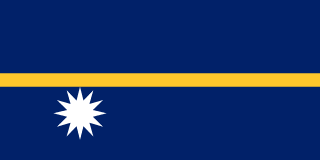
 15 Facts About Nauru Most People Get Wrong
Nauru is home to 10K people across 21 km², making it more densely populated than most of its neighbours. It ranks 1st in the world for Smallest Island Nation.
Below are 15 facts about Nauru, covering history, geography, economy and culture, including several that regularly surprise people who think they already know the country.
15 Facts About Nauru
A complete overview of Nauru's history, geography, economy and culture, covering everything from population and borders to language, climate and travel.
Nauru is the smallest island nation in the world.
Nauru was once one of the wealthiest nations per capita thanks to phosphate mining.
The phosphate ran out and Nauru became one of the world's most indebted nations overnight.
Nauru has the highest rates of obesity and diabetes in the world.
Nauru is located in Oceania / Pacific, Oceania, with its capital city in Yaren (de facto).
The population of Nauru is approximately 10K, spread across 21 km² of territory.
Nauru has a population density of 476/km²: one of the more densely populated countries in the region.
Nauru has a coastline of 30 km, giving it access to maritime trade, fishing and coastal tourism.
Nauru is an island nation with no land borders, surrounded entirely by water.
The official languages of Nauru are Nauruan / English, making it straightforward for international visitors to communicate.
Nauru uses the Australian Dollar (AUD) as its official currency.
Nauru gained independence in 1968, establishing itself as a sovereign nation in Oceania / Pacific.
The total GDP of Nauru is $0.13B, with a GDP per capita of $13,000, classifying it as a upper-middle-income economy.
Nauru has a tropical, hot and humid year-round climate, with the best time to visit being November–February.
Nauru is considered a Mid destination for travellers, with meals averaging $8–15.
Nauru is one of the most dramatic boom-and-bust stories in history. Phosphate mining once made it one of the richest nations per capita in the world, Nauruans didn't need to work. When the phosphate ran out, the country was left with a ravaged landscape and enormous debt.
🏆 Nauru World Rankings
Nauru holds several notable world rankings; here is how it compares globally:
Famous Places in Nauru
Nauru is home to several remarkable landmarks and destinations that draw visitors from around the world:
🌴 Buada Lagoon
A peaceful freshwater lagoon in the heart of the island surrounded by palm trees
🪨 Phosphate Pinnacles
Ghostly white coral pinnacles left behind by decades of phosphate mining, a surreal landscape
🏖️ Anibare Bay
A beautiful bay on the eastern coast, Nauru's best beach with clear water and reef
🪖 Command Ridge
The highest point on Nauru, WWII Japanese gun emplacements with views across the island
Frequently Asked Questions About Nauru
What is Nauru famous for?
Nauru is one of the most dramatic boom-and-bust stories in history. Phosphate mining once made it one of the richest nations per capita in the world, Nauruans didn't need to work. When the phosphate ran out, the country was left with a ravaged landscape and enormous debt.
What is the capital of Nauru?
The capital of Nauru is Yaren (de facto).
What is the population of Nauru?
The population estimate for Nauru is approximately 10K.
What language do they speak in Nauru?
The official languages of Nauru are Nauruan / English.
When did Nauru become an independent country?
Nauru gained independence in 1968.
What currency does Nauru use?
Nauru uses the Australian Dollar (AUD).
What is the GDP of Nauru?
Nauru has a GDP of $0.13B, with a GDP per capita of $13,000.
Where is Nauru located?
Nauru is located in Oceania / Pacific, Oceania.
Is Nauru safe to visit?
Safety conditions in Nauru vary by region. Always check your government's official travel advisory before visiting.
What are some fun facts about Nauru?
Nauru is the smallest island nation in the world. Nauru was once one of the wealthiest nations per capita thanks to phosphate mining. The phosphate ran out and Nauru became one of the world's most indebted nations overnight.
What are some interesting facts about Nauru?
Nauru was once one of the wealthiest nations per capita thanks to phosphate mining. The phosphate ran out and Nauru became one of the world's most indebted nations overnight. Nauru has the highest rates of obesity and diabetes in the world.
Nauru facts: what should I know?
Nauru is a country in Oceania / Pacific with a population of 10K. Its capital is Yaren (de facto) and its official language is Nauruan / English. Nauru is the smallest island nation in the world.
Explore More About Nauru
Want to explore another country? Generate a random country and discover somewhere new.