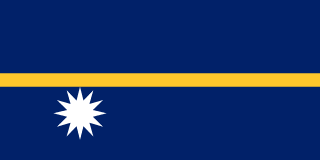
Nauru
Nauru is a country in Oceania / Pacific, Oceania. Its capital is Yaren (de facto), with a population of approximately 10K and a total area of 21 km². The official languages are Nauruan / English and the currency is the Australian Dollar (AUD).
📊 Quick Facts about Nauru
Nauru covers an area of 21 km² with a population density of 476/km² people per km². The country has a GDP of $0.13B ($13,000 per capita) and gained independence in 1968. It has a coastline of 30 km.
Nauru is one of the most dramatic boom-and-bust stories in history. Phosphate mining once made it one of the richest nations per capita in the world, Nauruans didn't need to work. When the phosphate ran out, the country was left with a ravaged landscape and enormous debt.
✈️ Travel Information for Nauru
⚠️ Visa requirements change frequently. Always verify with the official embassy or consulate before travel.
Full Nauru travel guide: visa, costs, plug, safety →📍 Nauru on the Map

Google Street View not available here. Showing community photos via Mapillary (CC BY-SA).
🏆 Nauru World Rankings
🏛 Must-See Places in Nauru
A peaceful freshwater lagoon in the heart of the island surrounded by palm trees
Ghostly white coral pinnacles left behind by decades of phosphate mining, a surreal landscape
A beautiful bay on the eastern coast, Nauru's best beach with clear water and reef
The highest point on Nauru, WWII Japanese gun emplacements with views across the island
⚖️ Compare Nauru with another country
See how Nauru stacks up against its neighbours and peers. Each comparison shows population, area, GDP, language, currency and more, side by side.
Or compare any two countries →
❓ Frequently Asked Questions about Nauru
What is the capital of Nauru?
The capital of Nauru is Yaren (de facto).
What continent is Nauru in?
Nauru is located in Oceania, in the Oceania / Pacific region.
What currency does Nauru use?
Nauru uses the Australian Dollar (AUD). The international calling code is +674.
What is the GDP of Nauru?
Nauru has a GDP of $0.13B, with a GDP per capita of $13,000.
🌍 Explore More Countries in Oceania / Pacific
Ready to explore somewhere new?
Share Nauru