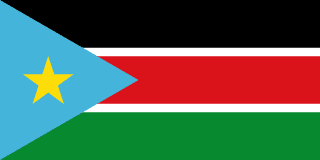
 23 Facts About South Sudan Most People Get Wrong
South Sudan is home to 11.1M people across 619,745 km², making it a country with vast stretches of open, largely empty land. It ranks 1st in the world for Newest Country.
Below are 23 facts about South Sudan, covering history, geography, economy and culture, including several that regularly surprise people who think they already know the country.
23 Facts About South Sudan
A complete overview of South Sudan's history, geography, economy and culture, covering everything from population and borders to language, climate and travel.
South Sudan gained independence from Sudan on 9 July 2011, making it the world's youngest internationally recognised country.
In the independence referendum, nearly 99% of South Sudanese voted to break away from Sudan after decades of civil war.
The Sudd, a vast swamp formed by the White Nile, is one of the largest freshwater wetlands in the world and a haven for birds and wildlife.
The Boma-Badingilo migration of white-eared kob, tiang and gazelle is one of the largest land mammal migrations on Earth, rivalling the Serengeti.
Juba, on the banks of the White Nile, is the capital and one of the fastest-growing cities in the region.
South Sudan is one of the most ethnically diverse countries in Africa, home to more than 60 ethnic groups; the Dinka and Nuer are the largest.
English is the official language, chosen at independence, while Juba Arabic and dozens of local languages are spoken day to day.
Cattle are central to life in South Sudan, serving as a measure of wealth, a source of food and a key part of marriage traditions.
The country is heavily dependent on oil, which accounts for almost all of its exports and government revenue.
The White Nile, one of the two main branches of the Nile, flows the length of the country on its way north toward Egypt.
South Sudan is landlocked, bordered by six countries, and its lowland plains flood every year as the Nile spreads across them.
The Dinka and Nuer peoples are among the tallest in the world, a trait long noted by travellers to the region.
South Sudan is located in East Africa, Africa, with its capital city in Juba.
The population of South Sudan is approximately 11.1M, spread across 619,745 km² of territory.
South Sudan has a population density of 18/km²: one of the most sparsely populated countries on Earth.
South Sudan is a landlocked country with no coastline, relying entirely on neighbouring countries for access to international trade routes.
South Sudan shares land borders with 6 countries: Sudan, Ethiopia, Kenya, Uganda, DR Congo, Central African Republic.
The official language of South Sudan is English, making it straightforward for international visitors to communicate.
South Sudan uses the South Sudanese Pound (SSP) as its official currency.
South Sudan gained independence in 2011, establishing itself as a sovereign nation in East Africa.
The total GDP of South Sudan is $4.6B, with a GDP per capita of $415, classifying it as a developing economy.
South Sudan has a tropical, very hot and humid climate, with the best time to visit being December–February.
South Sudan is considered a Mid destination for travellers, with meals averaging $5–12.
South Sudan became the world's newest internationally recognised country on July 9, 2011, after a referendum in which 99% voted for independence from Sudan. The Sudd, a vast inland swamp, is one of the world's largest tropical wetlands and hosts massive wildlife migrations.
🏆 South Sudan World Rankings
South Sudan holds several notable world rankings; here is how it compares globally:
Famous Places in South Sudan
South Sudan is home to several remarkable landmarks and destinations that draw visitors from around the world:
🌿 Sudd Wetlands
The world's second largest freshwater wetland, a vast inland swamp with hippos, shoebills and migrating antelope
🦌 Boma National Park
Home to one of the world's largest land animal migrations, a million white-eared kob moving seasonally
🌊 Juba Nile Bank
The White Nile flowing through the capital, the lifeblood of South Sudan
🐘 Nimule National Park
South Sudan's oldest park, hippos, elephants and buffalo along the Nile near the Uganda border
Frequently Asked Questions About South Sudan
What is South Sudan famous for?
South Sudan became the world's newest internationally recognised country on July 9, 2011, after a referendum in which 99% voted for independence from Sudan. The Sudd, a vast inland swamp, is one of the world's largest tropical wetlands and hosts massive wildlife migrations.
What is the capital of South Sudan?
The capital of South Sudan is Juba.
What is the population of South Sudan?
The population estimate for South Sudan is approximately 11.1M.
What language do they speak in South Sudan?
The official language of South Sudan is English.
When did South Sudan become an independent country?
South Sudan gained independence in 2011.
What currency does South Sudan use?
South Sudan uses the South Sudanese Pound (SSP).
What is the GDP of South Sudan?
South Sudan has a GDP of $4.6B, with a GDP per capita of $415.
Where is South Sudan located?
South Sudan is located in East Africa, Africa.
Is South Sudan safe to visit?
Safety conditions in South Sudan vary by region. Always check your government's official travel advisory before visiting.
What are some fun facts about South Sudan?
South Sudan gained independence from Sudan on 9 July 2011, making it the world's youngest internationally recognised country. In the independence referendum, nearly 99% of South Sudanese voted to break away from Sudan after decades of civil war. The Sudd, a vast swamp formed by the White Nile, is one of the largest freshwater wetlands in the world and a haven for birds and wildlife.
What are some interesting facts about South Sudan?
In the independence referendum, nearly 99% of South Sudanese voted to break away from Sudan after decades of civil war. The Sudd, a vast swamp formed by the White Nile, is one of the largest freshwater wetlands in the world and a haven for birds and wildlife. The Boma-Badingilo migration of white-eared kob, tiang and gazelle is one of the largest land mammal migrations on Earth, rivalling the Serengeti.
South Sudan facts: what should I know?
South Sudan is a country in East Africa with a population of 11.1M. Its capital is Juba and its official language is English. South Sudan gained independence from Sudan on 9 July 2011, making it the world's youngest internationally recognised country.
Explore More About South Sudan
Want to explore another country? Generate a random country and discover somewhere new.