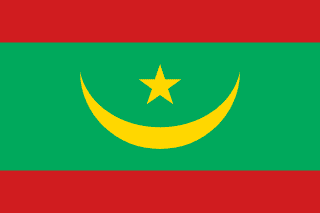
 15 Facts About Mauritania Most People Get Wrong
Mauritania is home to 4.7M people across 1,030,700 km², making it one of the most sparsely populated countries on the planet. It ranks 1st in the world for Last to Abolish Slavery.
Below are 15 facts about Mauritania, covering history, geography, economy and culture, including several that regularly surprise people who think they already know the country.
15 Facts About Mauritania
A complete overview of Mauritania's history, geography, economy and culture, covering everything from population and borders to language, climate and travel.
Mauritania was the last country in the world to officially abolish slavery, in 1981, though it wasn't criminalised until 2007.
The Richat Structure (Eye of the Sahara) is a 50km wide geological bull's-eye visible from space.
Chinguetti is Islam's 7th holiest city and a major medieval centre of Islamic scholarship.
Mauritania is 90% desert, mostly Sahara.
Mauritania is located in West Africa, Africa, with its capital city in Nouakchott.
The population of Mauritania is approximately 4.7M, spread across 1,030,700 km² of territory.
Mauritania has a population density of 5/km²: one of the most sparsely populated countries on Earth.
Mauritania has a coastline of 754 km, giving it access to maritime trade, fishing and coastal tourism.
Mauritania shares land borders with 3 countries: Algeria, Mali, Senegal.
The official language of Mauritania is Arabic.
Mauritania uses the Mauritanian Ouguiya (MRU) as its official currency.
Mauritania gained independence in 1960, establishing itself as a sovereign nation in West Africa.
The total GDP of Mauritania is $9.8B, with a GDP per capita of $2,085, classifying it as a developing economy.
Mauritania has a hot desert, extreme heat most of the year climate, with the best time to visit being November–February.
Mauritania is considered a Budget destination for travellers, with meals averaging $2–6.
Mauritania was the last country in the world to officially abolish slavery in 1981, though it wasn't criminalized until 2007. The country is also home to the world's longest train, the iron ore train that stretches up to 3km in length.
🏆 Mauritania World Rankings
Mauritania holds several notable world rankings; here is how it compares globally:
Famous Places in Mauritania
Mauritania is home to several remarkable landmarks and destinations that draw visitors from around the world:
👁️ Richat Structure (Eye of the Sahara)
A mysterious 50km wide geological bull's-eye in the Sahara, visible from space and still not fully explained
🕌 Chinguetti
UNESCO ancient caravan city, Islam's 7th holiest city and a medieval centre of Quranic scholarship
🦅 Banc d'Arguin National Park
UNESCO coastal wetland, one of the world's most important bird sanctuaries with 2 million migratory birds
🚂 Iron Ore Train
The world's longest train, up to 3km of wagons carrying iron ore across the Sahara to the coast
Frequently Asked Questions About Mauritania
What is Mauritania famous for?
Mauritania was the last country in the world to officially abolish slavery in 1981, though it wasn't criminalized until 2007. The country is also home to the world's longest train, the iron ore train that stretches up to 3km in length.
What is the capital of Mauritania?
The capital of Mauritania is Nouakchott.
What is the population of Mauritania?
The population estimate for Mauritania is approximately 4.7M.
What language do they speak in Mauritania?
The official language of Mauritania is Arabic.
When did Mauritania become an independent country?
Mauritania gained independence in 1960.
What currency does Mauritania use?
Mauritania uses the Mauritanian Ouguiya (MRU).
What is the GDP of Mauritania?
Mauritania has a GDP of $9.8B, with a GDP per capita of $2,085.
Where is Mauritania located?
Mauritania is located in West Africa, Africa.
Is Mauritania safe to visit?
Safety conditions in Mauritania vary by region. Always check your government's official travel advisory before visiting.
What are some fun facts about Mauritania?
Mauritania was the last country in the world to officially abolish slavery, in 1981, though it wasn't criminalised until 2007. The Richat Structure (Eye of the Sahara) is a 50km wide geological bull's-eye visible from space. Chinguetti is Islam's 7th holiest city and a major medieval centre of Islamic scholarship.
What are some interesting facts about Mauritania?
The Richat Structure (Eye of the Sahara) is a 50km wide geological bull's-eye visible from space. Chinguetti is Islam's 7th holiest city and a major medieval centre of Islamic scholarship. Mauritania is 90% desert, mostly Sahara.
Mauritania facts: what should I know?
Mauritania is a country in West Africa with a population of 4.7M. Its capital is Nouakchott and its official language is Arabic. Mauritania was the last country in the world to officially abolish slavery, in 1981, though it wasn't criminalised until 2007.
Explore More About Mauritania
Want to explore another country? Generate a random country and discover somewhere new.