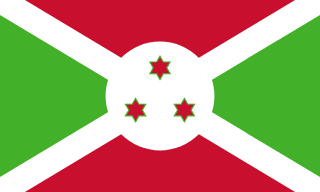
 15 Facts About Burundi Most People Get Wrong
Burundi is home to 12.6M people across 27,834 km², making it more densely populated than most of its neighbours. It ranks 1st in the world for Drumming.
Below are 15 facts about Burundi, covering history, geography, economy and culture, including several that regularly surprise people who think they already know the country.
15 Facts About Burundi
A complete overview of Burundi's history, geography, economy and culture, covering everything from population and borders to language, climate and travel.
Burundi is the most densely populated country in mainland Africa.
The royal drumming tradition (Karyenda) is a UNESCO Intangible Heritage.
Lake Tanganyika, one of the world's deepest lakes, borders Burundi.
Burundi is one of the world's poorest countries by GDP per capita.
Burundi is located in East Africa, Africa, with its capital city in Gitega.
The population of Burundi is approximately 12.6M, spread across 27,834 km² of territory.
Burundi has a population density of 452/km²: one of the more densely populated countries in the region.
Burundi is a landlocked country with no coastline, relying entirely on neighbouring countries for access to international trade routes.
Burundi shares land borders with 3 countries: DR Congo, Rwanda, Tanzania.
The official languages of Burundi are Kirundi / French.
Burundi uses the Burundian Franc (BIF) as its official currency.
Burundi gained independence in 1962, establishing itself as a sovereign nation in East Africa.
The total GDP of Burundi is $3.1B, with a GDP per capita of $246, classifying it as a developing economy.
Burundi has a tropical highland, mild due to altitude climate, with the best time to visit being June–August, December–January.
Burundi is considered a Budget destination for travellers, with meals averaging $2–5.
Burundi's royal drumming tradition, the Karyenda, is recognized by UNESCO as an Intangible Cultural Heritage. The royal drums were once considered sacred objects embodying the king's soul, and performances still accompany major ceremonies.
🏆 Burundi World Rankings
Burundi holds several notable world rankings; here is how it compares globally:
Famous Places in Burundi
Burundi is home to several remarkable landmarks and destinations that draw visitors from around the world:
🌊 Lake Tanganyika
The world's longest freshwater lake shared by four countries, crystal clear waters and unique fish
🌿 Kibira National Park
Burundi's largest national park, a vast montane rainforest with chimpanzees
🗿 Livingstone-Stanley Monument
Marks where explorer Henry Morton Stanley found Dr. Livingstone in 1871
🥁 Gitega National Museum
Houses the sacred royal drums and traces the history of Burundian kingdoms
Frequently Asked Questions About Burundi
What is Burundi famous for?
Burundi's royal drumming tradition, the Karyenda, is recognized by UNESCO as an Intangible Cultural Heritage. The royal drums were once considered sacred objects embodying the king's soul, and performances still accompany major ceremonies.
What is the capital of Burundi?
The capital of Burundi is Gitega.
What is the population of Burundi?
The population estimate for Burundi is approximately 12.6M.
What language do they speak in Burundi?
The official languages of Burundi are Kirundi / French.
When did Burundi become an independent country?
Burundi gained independence in 1962.
What currency does Burundi use?
Burundi uses the Burundian Franc (BIF).
What is the GDP of Burundi?
Burundi has a GDP of $3.1B, with a GDP per capita of $246.
Where is Burundi located?
Burundi is located in East Africa, Africa.
Is Burundi safe to visit?
Safety conditions in Burundi vary by region. Always check your government's official travel advisory before visiting.
What are some fun facts about Burundi?
Burundi is the most densely populated country in mainland Africa. The royal drumming tradition (Karyenda) is a UNESCO Intangible Heritage. Lake Tanganyika, one of the world's deepest lakes, borders Burundi.
What are some interesting facts about Burundi?
The royal drumming tradition (Karyenda) is a UNESCO Intangible Heritage. Lake Tanganyika, one of the world's deepest lakes, borders Burundi. Burundi is one of the world's poorest countries by GDP per capita.
Burundi facts: what should I know?
Burundi is a country in East Africa with a population of 12.6M. Its capital is Gitega and its official language is Kirundi / French. Burundi is the most densely populated country in mainland Africa.
Explore More About Burundi
Want to explore another country? Generate a random country and discover somewhere new.