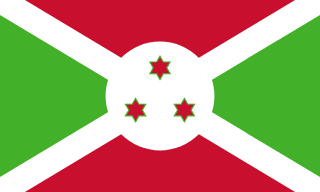
Burundi
Burundi is a country in East Africa, Africa. Its capital is Gitega, with a population of approximately 12.6M and a total area of 27,834 km². The official languages are Kirundi / French and the currency is the Burundian Franc (BIF).
📊 Quick Facts about Burundi
Burundi covers an area of 27,834 km² with a population density of 452/km² people per km². The country has a GDP of $3.1B ($246 per capita) and gained independence in 1962. It is a landlocked country with no coastline.
Burundi's royal drumming tradition, the Karyenda, is recognized by UNESCO as an Intangible Cultural Heritage. The royal drums were once considered sacred objects embodying the king's soul, and performances still accompany major ceremonies.
✈️ Travel Information for Burundi
⚠️ Visa requirements change frequently. Always verify with the official embassy or consulate before travel.
Full Burundi travel guide: visa, costs, plug, safety →📍 Burundi on the Map

Google Street View not available here. Showing community photos via Mapillary (CC BY-SA).
🏆 Burundi World Rankings
🏛 Must-See Places in Burundi
The world's longest freshwater lake shared by four countries, crystal clear waters and unique fish
Burundi's largest national park, a vast montane rainforest with chimpanzees
Marks where explorer Henry Morton Stanley found Dr. Livingstone in 1871
Houses the sacred royal drums and traces the history of Burundian kingdoms
🗺️ Countries Bordering Burundi
⚖️ Compare Burundi with another country
See how Burundi stacks up against its neighbours and peers. Each comparison shows population, area, GDP, language, currency and more, side by side.
Or compare any two countries →
❓ Frequently Asked Questions about Burundi
What is the capital of Burundi?
The capital of Burundi is Gitega.
What continent is Burundi in?
Burundi is located in Africa, in the East Africa region.
What currency does Burundi use?
Burundi uses the Burundian Franc (BIF). The international calling code is +257.
What is the GDP of Burundi?
Burundi has a GDP of $3.1B, with a GDP per capita of $246.
🌍 Explore More Countries in East Africa
Ready to explore somewhere new?
Share Burundi