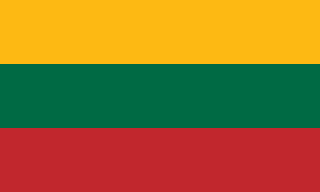
 15 Facts About Lithuania Most People Get Wrong
Lithuania is home to 2.8M people across 65,300 km², making it a country with vast stretches of open, largely empty land. It ranks 1st in the world for Centre of Europe.
Below are 15 facts about Lithuania, covering history, geography, economy and culture, including several that regularly surprise people who think they already know the country.
15 Facts About Lithuania
A complete overview of Lithuania's history, geography, economy and culture, covering everything from population and borders to language, climate and travel.
Lithuania is the geographical centre of Europe, a marker stands just north of Vilnius.
Vilnius has the largest medieval old town in Northern Europe.
Lithuania was the last country in Europe to officially adopt Christianity, in 1387.
Lithuanians invented the first wearable computer in 1966.
Lithuania is located in Northern Europe, Europe, with its capital city in Vilnius.
The population of Lithuania is approximately 2.8M, spread across 65,300 km² of territory.
Lithuania has a population density of 43/km²: a moderate density for its region.
Lithuania has a coastline of 90 km, giving it access to maritime trade, fishing and coastal tourism.
Lithuania shares land borders with 4 countries: Latvia, Belarus, Poland, Russia.
The official language of Lithuania is Lithuanian.
Lithuania uses the Euro (€) as its official currency.
Lithuania gained independence in 1990, establishing itself as a sovereign nation in Northern Europe.
The total GDP of Lithuania is $67.4B, with a GDP per capita of $24,071, classifying it as a upper-middle-income economy.
Lithuania has a temperate continental, cold winters, warm summers climate, with the best time to visit being May–September.
Lithuania is considered a Budget–Mid destination for travellers, with meals averaging $6–12.
Lithuania is the geographical centre of Europe, a monument north of Vilnius marks the exact spot. The country was also the last in Europe to officially convert to Christianity in 1387, and basketball is so popular it is considered the second national religion.
🏆 Lithuania World Rankings
Lithuania holds several notable world rankings; here is how it compares globally:
Famous Places in Lithuania
Lithuania is home to several remarkable landmarks and destinations that draw visitors from around the world:
🏛️ Vilnius Old Town
UNESCO largest surviving medieval old town in Northern Europe, Gothic, Renaissance and Baroque architecture
✝️ Hill of Crosses
A pilgrimage site covered in over 100,000 crosses, a symbol of Lithuanian faith and resistance
🏰 Trakai Island Castle
A magnificent Gothic castle on an island in a lake, the medieval capital of the Grand Duchy
🏖️ Curonian Spit
UNESCO narrow sand dune peninsula shared with Russia, ancient fishing villages and dramatic dunes
Frequently Asked Questions About Lithuania
What is Lithuania famous for?
Lithuania is the geographical centre of Europe, a monument north of Vilnius marks the exact spot. The country was also the last in Europe to officially convert to Christianity in 1387, and basketball is so popular it is considered the second national religion.
What is the capital of Lithuania?
The capital of Lithuania is Vilnius.
What is the population of Lithuania?
The population estimate for Lithuania is approximately 2.8M.
What language do they speak in Lithuania?
The official language of Lithuania is Lithuanian.
When did Lithuania become an independent country?
Lithuania gained independence in 1990.
What currency does Lithuania use?
Lithuania uses the Euro (€).
What is the GDP of Lithuania?
Lithuania has a GDP of $67.4B, with a GDP per capita of $24,071.
Where is Lithuania located?
Lithuania is located in Northern Europe, Europe.
Is Lithuania safe to visit?
Safety conditions in Lithuania vary by region. Always check your government's official travel advisory before visiting.
What are some fun facts about Lithuania?
Lithuania is the geographical centre of Europe, a marker stands just north of Vilnius. Vilnius has the largest medieval old town in Northern Europe. Lithuania was the last country in Europe to officially adopt Christianity, in 1387.
What are some interesting facts about Lithuania?
Vilnius has the largest medieval old town in Northern Europe. Lithuania was the last country in Europe to officially adopt Christianity, in 1387. Lithuanians invented the first wearable computer in 1966.
Lithuania facts: what should I know?
Lithuania is a country in Northern Europe with a population of 2.8M. Its capital is Vilnius and its official language is Lithuanian. Lithuania is the geographical centre of Europe, a marker stands just north of Vilnius.
Explore More About Lithuania
Want to explore another country? Generate a random country and discover somewhere new.