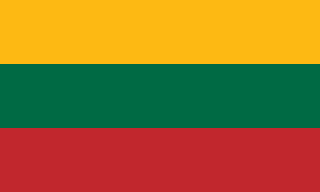
Lithuania
Lithuania is a country in Northern Europe, Europe. Its capital is Vilnius, with a population of approximately 2.8M and a total area of 65,300 km². The official language is Lithuanian and the currency is the Euro (€).
📊 Quick Facts about Lithuania
Lithuania covers an area of 65,300 km² with a population density of 43/km² people per km². The country has a GDP of $67.4B ($24,071 per capita) and gained independence in 1990. It has a coastline of 90 km.
Lithuania is the geographical centre of Europe, a monument north of Vilnius marks the exact spot. The country was also the last in Europe to officially convert to Christianity in 1387, and basketball is so popular it is considered the second national religion.
✈️ Travel Information for Lithuania
⚠️ Visa requirements change frequently. Always verify with the official embassy or consulate before travel.
Full Lithuania travel guide: visa, costs, plug, safety →📍 Lithuania on the Map
⚠ Coverage varies by country. Zoom in or drag to explore.
🏆 Lithuania World Rankings
🏛 Must-See Places in Lithuania
UNESCO largest surviving medieval old town in Northern Europe, Gothic, Renaissance and Baroque architecture
A pilgrimage site covered in over 100,000 crosses, a symbol of Lithuanian faith and resistance
A magnificent Gothic castle on an island in a lake, the medieval capital of the Grand Duchy
UNESCO narrow sand dune peninsula shared with Russia, ancient fishing villages and dramatic dunes
🗺️ Countries Bordering Lithuania


⚖️ Compare Lithuania with another country
See how Lithuania stacks up against its neighbours and peers. Each comparison shows population, area, GDP, language, currency and more, side by side.
Or compare any two countries →❓ Frequently Asked Questions about Lithuania
What is the capital of Lithuania?
The capital of Lithuania is Vilnius.
What continent is Lithuania in?
Lithuania is located in Europe, in the Northern Europe region.
What currency does Lithuania use?
Lithuania uses the Euro (€). The international calling code is +370.
What is the GDP of Lithuania?
Lithuania has a GDP of $67.4B, with a GDP per capita of $24,071.
🌍 Explore More Countries in Northern Europe

Ready to explore somewhere new?
Share Lithuania