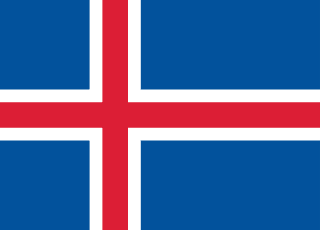
Iceland
Iceland is a country in Northern Europe, Europe. Its capital is Reykjavík, with a population of approximately 376K and a total area of 103,000 km². The official language is Icelandic and the currency is the Króna (kr).
📊 Quick Facts about Iceland
Iceland covers an area of 103,000 km² with a population density of 3.6/km² people per km². The country has a GDP of $27.3B ($72,600 per capita) and gained independence in 1944. It has a coastline of 4,970 km.
Iceland has no standing army and has never been at war since independence. It sits atop the Mid-Atlantic Ridge, you can literally stand where two tectonic plates meet.
✈️ Travel Information for Iceland
⚠️ Visa requirements change frequently. Always verify with the official embassy or consulate before travel.
Full Iceland travel guide: visa, costs, plug, safety →📍 Iceland on the Map
⚠ Coverage varies by country. Zoom in or drag to explore.
🏆 Iceland World Rankings
🏛 Must-See Places in Iceland
Ethereal curtains of aurora borealis above Iceland's ink-black winter skies
The original geyser that gave all geysers their name, erupting since the 13th century
Reykjavík's iconic concrete church, inspired by Iceland's basalt lava columns
A hauntingly beautiful lagoon of floating blue icebergs calved from Vatnajökull glacier
⚖️ Compare Iceland with another country
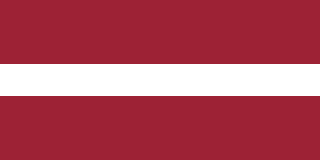
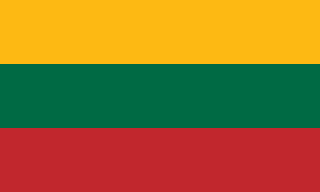
See how Iceland stacks up against its neighbours and peers. Each comparison shows population, area, GDP, language, currency and more, side by side.
Or compare any two countries →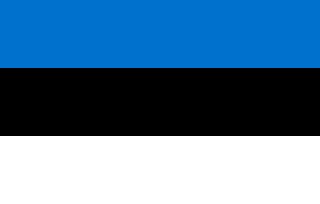
❓ Frequently Asked Questions about Iceland
What is the capital of Iceland?
The capital of Iceland is Reykjavík.
What continent is Iceland in?
Iceland is located in Europe, in the Northern Europe region.
What currency does Iceland use?
Iceland uses the Króna (kr). The international calling code is +354.
What is the GDP of Iceland?
Iceland has a GDP of $27.3B, with a GDP per capita of $72,600.
🌍 Explore More Countries in Northern Europe
Ready to explore somewhere new?
Share Iceland