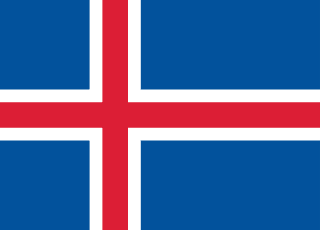
 15 Facts About Iceland Most People Get Wrong
Iceland is home to 376K people across 103,000 km², making it one of the most sparsely populated countries on the planet. It ranks 1st in the world for Peace Index.
Below are 15 facts about Iceland, covering history, geography, economy and culture, including several that regularly surprise people who think they already know the country.
15 Facts About Iceland
A complete overview of Iceland's history, geography, economy and culture, covering everything from population and borders to language, climate and travel.
Iceland has no mosquitoes, the climate is too harsh for them to survive.
Iceland was the first country in the world to have a democratically elected female president (1980).
Iceland runs on nearly 100% renewable energy from geothermal and hydropower.
Iceland has no standing army and is one of the most peaceful countries in the world.
Iceland is located in Northern Europe, Europe, with its capital city in Reykjavík.
The population of Iceland is approximately 376K, spread across 103,000 km² of territory.
Iceland has a population density of 3.6/km²: one of the most sparsely populated countries on Earth.
Iceland has a coastline of 4,970 km, giving it access to maritime trade, fishing and coastal tourism.
Iceland is an island nation with no land borders, surrounded entirely by water.
The official language of Iceland is Icelandic.
Iceland uses the Króna (kr) as its official currency.
Iceland gained independence in 1944, establishing itself as a sovereign nation in Northern Europe.
The total GDP of Iceland is $27.3B, with a GDP per capita of $72,600, classifying it as a high-income economy.
Iceland has a subarctic, mild coastal, harsh inland climate, with the best time to visit being June–August (midnight sun), September–March (Northern Lights).
Iceland is considered a Expensive destination for travellers, with meals averaging $15–25.
Iceland has no standing army and has never been at war since independence. It sits atop the Mid-Atlantic Ridge, you can literally stand where two tectonic plates meet.
🏆 Iceland World Rankings
Iceland holds several notable world rankings; here is how it compares globally:
Famous Places in Iceland
Iceland is home to several remarkable landmarks and destinations that draw visitors from around the world:
🌌 Northern Lights
Ethereal curtains of aurora borealis above Iceland's ink-black winter skies
♨️ Geysir Hot Springs
The original geyser that gave all geysers their name, erupting since the 13th century
⛪ Hallgrímskirkja
Reykjavík's iconic concrete church, inspired by Iceland's basalt lava columns
🧊 Jökulsárlón Glacier Lagoon
A hauntingly beautiful lagoon of floating blue icebergs calved from Vatnajökull glacier
Frequently Asked Questions About Iceland
What is Iceland famous for?
Iceland has no standing army and has never been at war since independence. It sits atop the Mid-Atlantic Ridge, you can literally stand where two tectonic plates meet.
What is the capital of Iceland?
The capital of Iceland is Reykjavík.
What is the population of Iceland?
The population estimate for Iceland is approximately 376K.
What language do they speak in Iceland?
The official language of Iceland is Icelandic.
When did Iceland become an independent country?
Iceland gained independence in 1944.
What currency does Iceland use?
Iceland uses the Króna (kr).
What is the GDP of Iceland?
Iceland has a GDP of $27.3B, with a GDP per capita of $72,600.
Where is Iceland located?
Iceland is located in Northern Europe, Europe.
Is Iceland safe to visit?
Safety conditions in Iceland vary by region. Always check your government's official travel advisory before visiting.
What are some fun facts about Iceland?
Iceland has no mosquitoes, the climate is too harsh for them to survive. Iceland was the first country in the world to have a democratically elected female president (1980). Iceland runs on nearly 100% renewable energy from geothermal and hydropower.
What are some interesting facts about Iceland?
Iceland was the first country in the world to have a democratically elected female president (1980). Iceland runs on nearly 100% renewable energy from geothermal and hydropower. Iceland has no standing army and is one of the most peaceful countries in the world.
Iceland facts: what should I know?
Iceland is a country in Northern Europe with a population of 376K. Its capital is Reykjavík and its official language is Icelandic. Iceland has no mosquitoes, the climate is too harsh for them to survive.
Explore More About Iceland
Want to explore another country? Generate a random country and discover somewhere new.