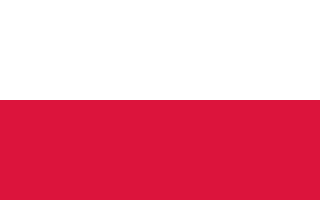
Poland
Poland is a country in Central Europe, Europe. Its capital is Warsaw, with a population of approximately 37.7M and a total area of 312,679 km². The official language is Polish and the currency is the Złoty (PLN).
📊 Quick Facts about Poland
Poland covers an area of 312,679 km² with a population density of 121/km² people per km². The country has a GDP of $688B ($18,260 per capita) and gained independence in 1918. It has a coastline of 440 km.
Warsaw was 85% destroyed during WWII and then painstakingly rebuilt from 18th-century paintings to look exactly as it did before the war, earning its Old Town a UNESCO listing. Poland's Baltic coast produces 90% of the world's amber.
✈️ Travel Information for Poland
⚠️ Visa requirements change frequently. Always verify with the official embassy or consulate before travel.
Full Poland travel guide: visa, costs, plug, safety →📍 Poland on the Map
⚠ Coverage varies by country. Zoom in or drag to explore.
🏆 Poland World Rankings
🏛 Must-See Places in Poland
A UNESCO masterpiece of Central European architecture surrounding a giant medieval market square
A sobering UNESCO memorial to the largest Nazi concentration and extermination camp
A UNESCO underground city with cathedrals, sculptures and lakes carved entirely from salt
A hilltop Royal Castle and Cathedral on the Vistula River, the spiritual heart of Poland
🗺️ Countries Bordering Poland
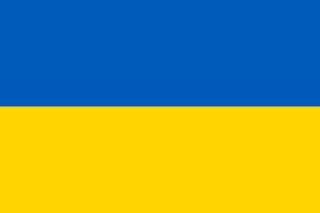
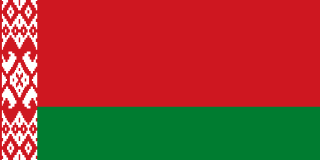
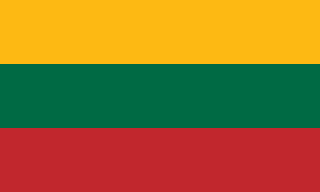
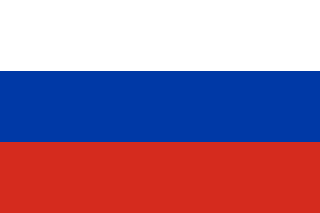
⚖️ Compare Poland with another country
See how Poland stacks up against its neighbours and peers. Each comparison shows population, area, GDP, language, currency and more, side by side.
Or compare any two countries →❓ Frequently Asked Questions about Poland
What is the capital of Poland?
The capital of Poland is Warsaw.
What continent is Poland in?
Poland is located in Europe, in the Central Europe region.
What currency does Poland use?
Poland uses the Złoty (PLN). The international calling code is +48.
What is the GDP of Poland?
Poland has a GDP of $688B, with a GDP per capita of $18,260.
🌍 Explore More Countries in Central Europe
Ready to explore somewhere new?
Share Poland