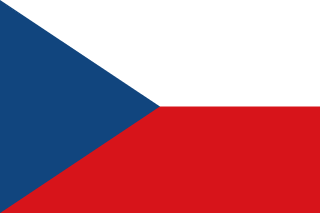
Czech Republic
Czech Republic is a country in Central Europe, Europe. Its capital is Prague, with a population of approximately 10.9M and a total area of 78,866 km². The official language is Czech and the currency is the Koruna (CZK).
📊 Quick Facts about Czech Republic
Czech Republic covers an area of 78,866 km² with a population density of 138/km² people per km². The country has a GDP of $290B ($26,600 per capita) and gained independence in 1993. It is a landlocked country with no coastline.
The Czech Republic has more castles per square kilometre than any other country, over 2,000 in total. It is also where Pilsner beer was invented in 1842 in Plzeň, giving the world its most popular beer style.
✈️ Travel Information for Czech Republic
⚠️ Visa requirements change frequently. Always verify with the official embassy or consulate before travel.
Full Czech Republic travel guide: visa, costs, plug, safety →📍 Czech Republic on the Map
⚠ Coverage varies by country. Zoom in or drag to explore.
🏆 Czech Republic World Rankings
🏛 Must-See Places in Czech Republic
A UNESCO fairytale cityscape with a medieval astronomical clock and soaring Gothic spires
A 14th-century stone bridge lined with 30 Baroque statues spanning the Vltava River
A UNESCO castle town set on a river meander, among Europe's most beautiful small cities
A church decorated with the bones of 40,000–70,000 people, the haunting 'Bone Church'
🗺️ Countries Bordering Czech Republic
⚖️ Compare Czech Republic with another country
See how Czech Republic stacks up against its neighbours and peers. Each comparison shows population, area, GDP, language, currency and more, side by side.
vs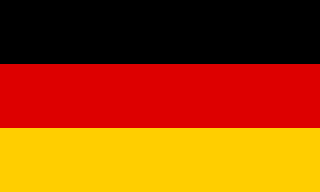 vs
vs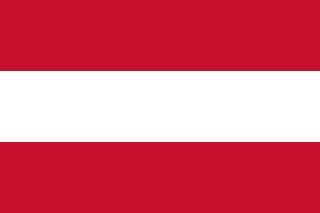 vs
vs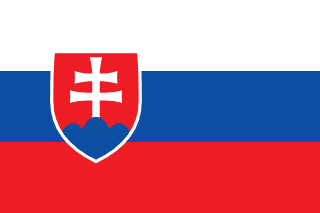 vs
vs
❓ Frequently Asked Questions about Czech Republic
What is the capital of Czech Republic?
The capital of Czech Republic is Prague.
What continent is Czech Republic in?
Czech Republic is located in Europe, in the Central Europe region.
What currency does Czech Republic use?
Czech Republic uses the Koruna (CZK). The international calling code is +420.
What is the GDP of Czech Republic?
Czech Republic has a GDP of $290B, with a GDP per capita of $26,600.
🌍 Explore More Countries in Central Europe


Ready to explore somewhere new?
Share Czech Republic