
Hungary
Hungary is a country in Central Europe, Europe. Its capital is Budapest, with a population of approximately 9.7M and a total area of 93,028 km². The official language is Hungarian and the currency is the Forint (HUF).
📊 Quick Facts about Hungary
Hungary covers an area of 93,028 km² with a population density of 104/km² people per km². The country has a GDP of $200B ($20,600 per capita) and gained independence in 895. It is a landlocked country with no coastline.
Hungary has produced more Nobel Prize laureates per capita than almost any country in the world. It is also the birthplace of the Rubik's Cube, invented by Ernő Rubik in 1974, which remains the world's best-selling puzzle toy with over 400 million sold.
✈️ Travel Information for Hungary
⚠️ Visa requirements change frequently. Always verify with the official embassy or consulate before travel.
Full Hungary travel guide: visa, costs, plug, safety →📍 Hungary on the Map
⚠ Coverage varies by country. Zoom in or drag to explore.
🏆 Hungary World Rankings
🏛 Must-See Places in Hungary
One of the world's most beautiful parliament buildings, glittering on the banks of the Danube
A UNESCO hilltop royal palace complex overlooking the Danube with panoramic city views
Europe's largest thermal bath complex, a Neo-Baroque palace of steaming outdoor pools
UNESCO Europe's largest natural grassland, a 'puszta' steppe roamed by Hungarian grey cattle
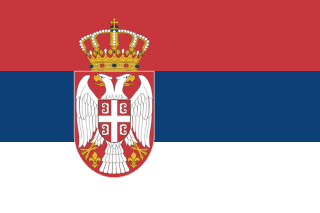
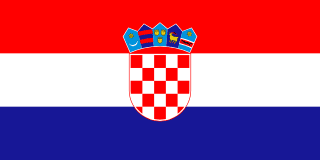
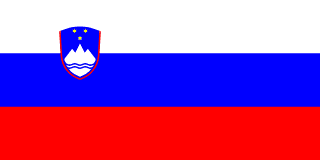
🗺️ Countries Bordering Hungary
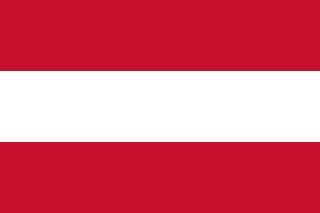
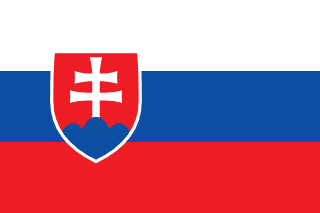
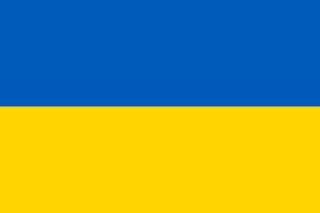
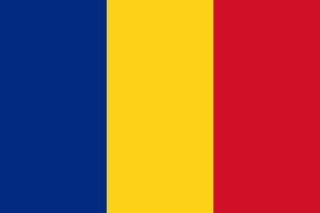
⚖️ Compare Hungary with another country
See how Hungary stacks up against its neighbours and peers. Each comparison shows population, area, GDP, language, currency and more, side by side.
Or compare any two countries →❓ Frequently Asked Questions about Hungary
What is the capital of Hungary?
The capital of Hungary is Budapest.
What continent is Hungary in?
Hungary is located in Europe, in the Central Europe region.
What currency does Hungary use?
Hungary uses the Forint (HUF). The international calling code is +36.
What is the GDP of Hungary?
Hungary has a GDP of $200B, with a GDP per capita of $20,600.
🌍 Explore More Countries in Central Europe

Ready to explore somewhere new?
Share Hungary