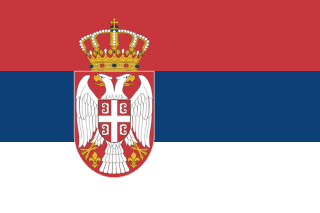
Serbia
Serbia is a country in Southeast Europe, Europe. Its capital is Belgrade, with a population of approximately 6.8M and a total area of 77,474 km². The official language is Serbian and the currency is the Serbian Dinar (RSD).
📊 Quick Facts about Serbia
Serbia covers an area of 77,474 km² with a population density of 88/km² people per km². The country has a GDP of $63.6B ($9,353 per capita) and gained independence in 2006. It is a landlocked country with no coastline.
Serbia is the birthplace of Nikola Tesla, one of history's greatest inventors, who developed the alternating current (AC) electrical system that powers the modern world. Serbia also exports more raspberries than any other country, 30% of global supply.
✈️ Travel Information for Serbia
⚠️ Visa requirements change frequently. Always verify with the official embassy or consulate before travel.
Full Serbia travel guide: visa, costs, plug, safety →📍 Serbia on the Map
⚠ Coverage varies by country. Zoom in or drag to explore.
🏆 Serbia World Rankings
🏛 Must-See Places in Serbia
A massive hilltop fortress at the confluence of the Sava and Danube, 2,000 years of history
Bizarre natural rock formations, 202 earth pyramids up to 15m tall formed by erosion
UNESCO 12th-century Serbian Orthodox monastery, the spiritual heart of Serbian culture
A beautiful Danube city with a stunning baroque fortress, home to the EXIT music festival
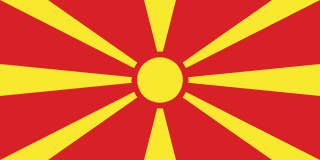
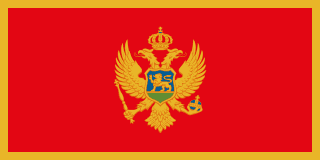
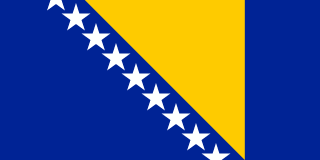
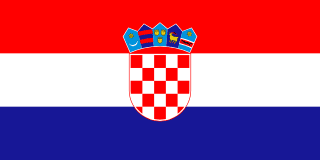
🗺️ Countries Bordering Serbia
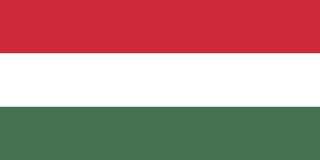
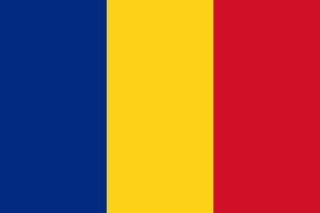
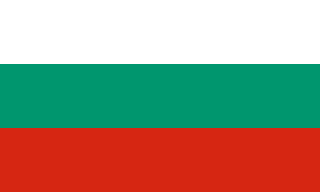
⚖️ Compare Serbia with another country
See how Serbia stacks up against its neighbours and peers. Each comparison shows population, area, GDP, language, currency and more, side by side.
Or compare any two countries →❓ Frequently Asked Questions about Serbia
What is the capital of Serbia?
The capital of Serbia is Belgrade.
What continent is Serbia in?
Serbia is located in Europe, in the Southeast Europe region.
What currency does Serbia use?
Serbia uses the Serbian Dinar (RSD). The international calling code is +381.
What is the GDP of Serbia?
Serbia has a GDP of $63.6B, with a GDP per capita of $9,353.
🌍 Explore More Countries in Southeast Europe
Ready to explore somewhere new?
Share Serbia