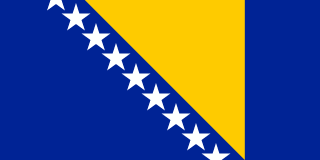
Bosnia and Herzegovina
Bosnia and Herzegovina is a country in Southeast Europe, Europe. Its capital is Sarajevo, with a population of approximately 3.2M and a total area of 51,197 km². The official languages are Bosnian / Serbian / Croatian and the currency is the Convertible Mark (BAM).
📊 Quick Facts about Bosnia and Herzegovina
Bosnia and Herzegovina covers an area of 51,197 km² with a population density of 62/km² people per km². The country has a GDP of $26B ($8,125 per capita) and gained independence in 1992. It has a coastline of 20 km.
The assassination of Archduke Franz Ferdinand in Sarajevo in 1914 triggered World War I. The city later hosted the 1984 Winter Olympics, and today the Old Bridge of Mostar, destroyed in 1993 and rebuilt, stands as a symbol of reconciliation.
✈️ Travel Information for Bosnia and Herzegovina
⚠️ Visa requirements change frequently. Always verify with the official embassy or consulate before travel.
Full Bosnia and Herzegovina travel guide: visa, costs, plug, safety →📍 Bosnia and Herzegovina on the Map
⚠ Coverage varies by country. Zoom in or drag to explore.
🏆 Bosnia and Herzegovina World Rankings
🏛 Must-See Places in Bosnia and Herzegovina
UNESCO 16th-century Ottoman bridge rebuilt after destruction in 1993, symbol of reconciliation
Ottoman-era bazaar and the old town heart of Sarajevo, mosques, cafes and copper crafts
A stunning 25m crescent-shaped waterfall on the Trebižat river, perfect for swimming
The secret tunnel that kept Sarajevo alive during the 1992-95 siege
🗺️ Countries Bordering Bosnia and Herzegovina
⚖️ Compare Bosnia and Herzegovina with another country
See how Bosnia and Herzegovina stacks up against its neighbours and peers. Each comparison shows population, area, GDP, language, currency and more, side by side.
vs vs
vs vs
vs vs
vs
❓ Frequently Asked Questions about Bosnia and Herzegovina
What is the capital of Bosnia and Herzegovina?
The capital of Bosnia and Herzegovina is Sarajevo.
What continent is Bosnia and Herzegovina in?
Bosnia and Herzegovina is located in Europe, in the Southeast Europe region.
What currency does Bosnia and Herzegovina use?
Bosnia and Herzegovina uses the Convertible Mark (BAM). The international calling code is +387.
What is the GDP of Bosnia and Herzegovina?
Bosnia and Herzegovina has a GDP of $26B, with a GDP per capita of $8,125.
🌍 Explore More Countries in Southeast Europe
Ready to explore somewhere new?
Share Bosnia and Herzegovina