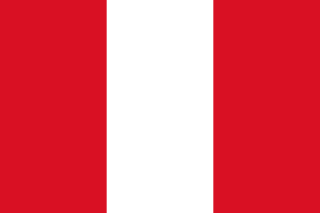
 15 Facts About Peru Most People Get Wrong
Peru is home to 33.4M people across 1,285,216 km², making it a country with vast stretches of open, largely empty land. It ranks 1st in the world for Food Tourism.
Below are 15 facts about Peru, covering history, geography, economy and culture, including several that regularly surprise people who think they already know the country.
15 Facts About Peru
A complete overview of Peru's history, geography, economy and culture, covering everything from population and borders to language, climate and travel.
Peru was the heart of the Inca Empire, the largest empire in pre-Columbian America.
Machu Picchu was only discovered by the outside world in 1911.
Peru has the highest navigable lake in the world, Lake Titicaca.
The potato originated in Peru, over 3,000 varieties grow there.
Peru is located in South America, South America, with its capital city in Lima.
The population of Peru is approximately 33.4M, spread across 1,285,216 km² of territory.
Peru has a population density of 26/km²: a moderate density for its region.
Peru has a coastline of 2,414 km, giving it access to maritime trade, fishing and coastal tourism.
Peru shares land borders with 5 countries: Ecuador, Colombia, Brazil, Bolivia, Chile.
The official languages of Peru are Spanish / Quechua.
Peru uses the Sol (S/.) as its official currency.
Peru gained independence in 1821, establishing itself as a sovereign nation in South America.
The total GDP of Peru is $242B, with a GDP per capita of $7,240, classifying it as a lower-middle-income economy.
Peru has a highly varied, desert coast, andes highlands, amazon jungle climate, with the best time to visit being May–October (Machu Picchu), year-round (Amazon).
Peru is considered a Budget destination for travellers, with meals averaging $3–8.
Peru has over 90 distinct micro-climates, making it one of the most ecologically diverse nations on the planet. Lima is the world's second-largest desert capital after Cairo.
🏆 Peru World Rankings
Peru holds several notable world rankings; here is how it compares globally:
Famous Places in Peru
Peru is home to several remarkable landmarks and destinations that draw visitors from around the world:
🏔️ Machu Picchu
The 15th-century Inca citadel perched at 2,430m in the Andean clouds
🌊 Lake Titicaca
World's highest navigable lake at 3,812m, home to the Uros floating reed islands
✈️ Nazca Lines
Mysterious geoglyphs visible only from the air, carved into the desert 1,500 years ago
🌈 Rainbow Mountain (Vinicunca)
A striped peak of 5,200m altitude with naturally occurring mineral rainbow colours
Frequently Asked Questions About Peru
What is Peru famous for?
Peru has over 90 distinct micro-climates, making it one of the most ecologically diverse nations on the planet. Lima is the world's second-largest desert capital after Cairo.
What is the capital of Peru?
The capital of Peru is Lima.
What is the population of Peru?
The population estimate for Peru is approximately 33.4M.
What language do they speak in Peru?
The official languages of Peru are Spanish / Quechua.
When did Peru become an independent country?
Peru gained independence in 1821.
What currency does Peru use?
Peru uses the Sol (S/.).
What is the GDP of Peru?
Peru has a GDP of $242B, with a GDP per capita of $7,240.
Where is Peru located?
Peru is located in South America, South America.
Is Peru safe to visit?
Safety conditions in Peru vary by region. Always check your government's official travel advisory before visiting.
What are some fun facts about Peru?
Peru was the heart of the Inca Empire, the largest empire in pre-Columbian America. Machu Picchu was only discovered by the outside world in 1911. Peru has the highest navigable lake in the world, Lake Titicaca.
What are some interesting facts about Peru?
Machu Picchu was only discovered by the outside world in 1911. Peru has the highest navigable lake in the world, Lake Titicaca. The potato originated in Peru, over 3,000 varieties grow there.
Peru facts: what should I know?
Peru is a country in South America with a population of 33.4M. Its capital is Lima and its official language is Spanish / Quechua. Peru was the heart of the Inca Empire, the largest empire in pre-Columbian America.
Explore More About Peru
Want to explore another country? Generate a random country and discover somewhere new.