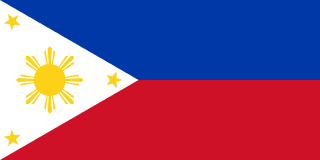
Philippines
Philippines is a country in Southeast Asia, Asia. Its capital is Manila, with a population of approximately 115M and a total area of 300,000 km². The official languages are Filipino / English and the currency is the Peso (PHP).
📊 Quick Facts about Philippines
Philippines covers an area of 300,000 km² with a population density of 383/km² people per km². The country has a GDP of $404B ($3,520 per capita) and gained independence in 1946. It has a coastline of 36,289 km.
The Philippines is one of the world's most biodiverse countries, part of the Coral Triangle which contains 76% of all known coral species. It is made up of 7,641 islands and has the 4th longest coastline on Earth.
✈️ Travel Information for Philippines
⚠️ Visa requirements change frequently. Always verify with the official embassy or consulate before travel.
Full Philippines travel guide: visa, costs, plug, safety →📍 Philippines on the Map
⚠ Coverage varies by country. Zoom in or drag to explore.
🏆 Philippines World Rankings
🏛 Must-See Places in Philippines
Over 1,000 perfectly symmetrical grass-covered hills that turn brown in dry season
A UNESCO pristine coral atoll system in the remote Sulu Sea, teeming with marine life
2,000-year-old UNESCO terraces carved into the Cordillera mountains by the Ifugao people
A UNESCO river flowing through an 8.2km cave system into the sea, a New 7 Wonder
⚖️ Compare Philippines with another country
See how Philippines stacks up against its neighbours and peers. Each comparison shows population, area, GDP, language, currency and more, side by side.
vs vs
vs vs
vs vs
vs
❓ Frequently Asked Questions about Philippines
What is the capital of Philippines?
The capital of Philippines is Manila.
What continent is Philippines in?
Philippines is located in Asia, in the Southeast Asia region.
What currency does Philippines use?
Philippines uses the Peso (PHP). The international calling code is +63.
What is the GDP of Philippines?
Philippines has a GDP of $404B, with a GDP per capita of $3,520.
🌍 Explore More Countries in Southeast Asia
Ready to explore somewhere new?
Share Philippines