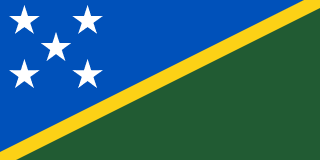
Solomon Islands
Solomon Islands is a country in Oceania / Pacific, Oceania. Its capital is Honiara, with a population of approximately 721K and a total area of 28,896 km². The official language is English and the currency is the Solomon Islands Dollar (SBD).
📊 Quick Facts about Solomon Islands
Solomon Islands covers an area of 28,896 km² with a population density of 25/km² people per km². The country has a GDP of $1.6B ($2,219 per capita) and gained independence in 1978. It has a coastline of 5,313 km.
The Solomon Islands was the site of the Battle of Guadalcanal in 1942-43, one of the most brutal and significant campaigns of World War II. The islands now offer some of the world's best wreck diving, with dozens of WWII ships resting in clear tropical waters.
✈️ Travel Information for Solomon Islands
⚠️ Visa requirements change frequently. Always verify with the official embassy or consulate before travel.
Full Solomon Islands travel guide: visa, costs, plug, safety →📍 Solomon Islands on the Map

Google Street View not available here. Showing community photos via Mapillary (CC BY-SA).
🏆 Solomon Islands World Rankings
🏛 Must-See Places in Solomon Islands
Battlefields, memorials and museum marking one of WWII's pivotal Pacific campaigns
The world's largest saltwater lagoon, pristine coral gardens, dolphins and traditional villages
A perfect volcanic cone rising from the sea, cloud forest with rare birds and WWII history
A historic headhunting island with skull shrines, a window into traditional Melanesian culture
⚖️ Compare Solomon Islands with another country
See how Solomon Islands stacks up against its neighbours and peers. Each comparison shows population, area, GDP, language, currency and more, side by side.
vs vs
vs vs
vs vs
vs
❓ Frequently Asked Questions about Solomon Islands
What is the capital of Solomon Islands?
The capital of Solomon Islands is Honiara.
What continent is Solomon Islands in?
Solomon Islands is located in Oceania, in the Oceania / Pacific region.
What currency does Solomon Islands use?
Solomon Islands uses the Solomon Islands Dollar (SBD). The international calling code is +677.
What is the GDP of Solomon Islands?
Solomon Islands has a GDP of $1.6B, with a GDP per capita of $2,219.
🌍 Explore More Countries in Oceania / Pacific
Ready to explore somewhere new?
Share Solomon Islands