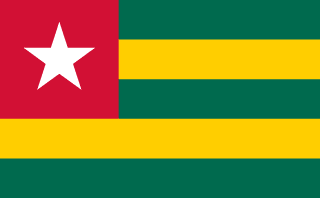
 37 Facts About Togo Most People Get Wrong
Togo is home to 8.6M people across 56,785 km², making it a country whose population is spread fairly evenly across its territory. It ranks 1st in the world for Voodoo Market.
Below are 37 facts about Togo, covering history, geography, economy and culture, including several that regularly surprise people who think they already know the country.
37 Facts About Togo
A complete overview of Togo's history, geography, economy and culture, covering everything from population and borders to language, climate and travel.
Lome has the world's largest Voodoo fetish market, Akodessewa.
Togo's Lome Grand Market is run entirely by female traders called Nana Benz.
The Batammariba people build unique mud tower-houses, a UNESCO World Heritage Site.
Togo has one of West Africa's longest uninterrupted coastlines facing the Gulf of Guinea.
Togo is one of Africa's smallest countries at just 57,000 km², yet it spans three distinct climate zones within its 560-km length.
Traditional Voodoo (Vodun) religion is officially recognized in Togo, with an estimated 51% of the population following some form of it.
After WWI, Togo was partitioned between France and Britain; the British sector voted in 1956 to join what became Ghana, while the French sector became Togo.
Togo was the only German colony in Africa that Allied forces did not engage in a prolonged battle; it fell to British and French forces within weeks of WWI starting.
Togo's phosphate deposits made it one of the world's top five phosphate exporters in the 1970s.
The Eyadema Gnassingbe family has ruled Togo since 1967, making it one of Africa's longest continuous family dynasties.
The Tamberma people build their fortified tower-houses without any metal tools, using only stone, mud, and organic materials in a tradition unchanged for centuries.
The kente weaving tradition of Togo's Ewe people is closely related to Ghanaian kente cloth, with distinct color combinations and patterns.
Lomé's western edge touches Ghana, making it one of the few African capitals situated directly on a national border.
Lomé is now one of West Africa's most important logistics hubs, handling container traffic for landlocked Burkina Faso, Mali, and Niger.
Togo's Fazao-Malfakassa National Park shelters lions, elephants, and chimpanzees and is the largest protected area in the country.
Togo was briefly the richest country in West Africa per capita during the 1970s phosphate boom.
The Togolese football team reaching the 2006 FIFA World Cup was a historic achievement; star player Emmanuel Adebayor became one of Africa's most famous footballers.
Togo's Mount Agou, at 986 meters, is the highest point in the country.
Kabyé people of northern Togo are famous for their annual iron-smelting festivals in which young men demonstrate metallurgical and fighting skills to earn adult status.
Lake Togo is a large coastal lagoon separated from the Gulf of Guinea by a narrow sandbar and is the center of the country's tourism.
The Ewe people, spread across Togo, Ghana, and Benin, have one of the richest oral poetic traditions in West Africa.
Togo's Akodessewa fetish market sells dried animals, herbs, and talismans for Voodoo practice; it is the largest of its kind in the world and draws practitioners from across West Africa.
Togoville village on the shores of Lake Togo is where Germany's colonial governor signed a protection treaty with local chief Mlapa III in 1884, establishing German Togoland.
Togo has two official languages (French) and two national languages (Ewe in the south, Kabye in the north), reflecting its deep regional cultural divide.
The Dankpen and Keran regions of northern Togo are the stronghold of Fulani herders, whose semi-nomadic cattle culture spans the entire West African Sahel.
Togo's Atakora mountain range on the border with Benin is one of the most scenically dramatic landscapes in coastal West Africa.
Togo is located in West Africa, Africa, with its capital city in Lomé.
The population of Togo is approximately 8.6M, spread across 56,785 km² of territory.
Togo has a population density of 151/km²: a moderate density for its region.
Togo has a coastline of 56 km, giving it access to maritime trade, fishing and coastal tourism.
Togo shares land borders with 4 countries: Benin, Nigeria, Burkina Faso, Ghana.
The official language of Togo is French.
Togo uses the West African CFA Franc (XOF) as its official currency.
Togo gained independence in 1960, establishing itself as a sovereign nation in West Africa.
The total GDP of Togo is $8.1B, with a GDP per capita of $942, classifying it as a developing economy.
Togo has a tropical, dry season november–march climate, with the best time to visit being November–March.
Togo is considered a Budget destination for travellers, with meals averaging $2–5.
Lomé is home to the world's largest Voodoo fetish market, Akodessewa, where animal skulls, dried herbs and ritual objects are sold for traditional medicine and spiritual ceremonies. Togo is the birthplace of Voodoo in the region.
🏆 Togo World Rankings
Togo holds several notable world rankings; here is how it compares globally:
Famous Places in Togo
Togo is home to several remarkable landmarks and destinations that draw visitors from around the world:
💀 Akodessewa Voodoo Market
The world's largest fetish market, animal skulls, herbs and ritual objects for Voodoo ceremonies
🏰 Koutammakou
UNESCO landscape of mud tower-houses (Takienta) built by the Batammariba people since the 17th century
💧 Cascade de Kpimé
A beautiful waterfall in the Plateau Region, Togo's most visited natural attraction
🛍️ Lomé Grand Market
One of West Africa's most vibrant markets, run entirely by women traders called Nana Benz
Frequently Asked Questions About Togo
What is Togo famous for?
Lomé is home to the world's largest Voodoo fetish market, Akodessewa, where animal skulls, dried herbs and ritual objects are sold for traditional medicine and spiritual ceremonies. Togo is the birthplace of Voodoo in the region.
What is the capital of Togo?
The capital of Togo is Lomé.
What is the population of Togo?
The population estimate for Togo is approximately 8.6M.
What language do they speak in Togo?
The official language of Togo is French.
When did Togo become an independent country?
Togo gained independence in 1960.
What currency does Togo use?
Togo uses the West African CFA Franc (XOF).
What is the GDP of Togo?
Togo has a GDP of $8.1B, with a GDP per capita of $942.
Where is Togo located?
Togo is located in West Africa, Africa.
Is Togo safe to visit?
Safety conditions in Togo vary by region. Always check your government's official travel advisory before visiting.
What are some fun facts about Togo?
Lome has the world's largest Voodoo fetish market, Akodessewa. Togo's Lome Grand Market is run entirely by female traders called Nana Benz. The Batammariba people build unique mud tower-houses, a UNESCO World Heritage Site.
What are some interesting facts about Togo?
Togo's Lome Grand Market is run entirely by female traders called Nana Benz. The Batammariba people build unique mud tower-houses, a UNESCO World Heritage Site. Togo has one of West Africa's longest uninterrupted coastlines facing the Gulf of Guinea.
Togo facts: what should I know?
Togo is a country in West Africa with a population of 8.6M. Its capital is Lomé and its official language is French. Lome has the world's largest Voodoo fetish market, Akodessewa.
Explore More About Togo
Want to explore another country? Generate a random country and discover somewhere new.