 16 Facts About Palestine Most People Get Wrong
Palestine is home to 5.4M people across 6,020 km², making it one of the most densely packed nations on Earth. It ranks 1st in the world for Most Followed Cause.
Below are 16 facts about Palestine, covering history, geography, economy and culture, including several that regularly surprise people who think they already know the country.
16 Facts About Palestine
A complete overview of Palestine's history, geography, economy and culture, covering everything from population and borders to language, climate and travel.
Jericho, located in the West Bank, is widely considered one of the oldest continuously inhabited cities in the world, with evidence of settlement dating back over 10,000 years.
Palestine is recognised as a sovereign state by 146 of the 193 UN member states, making it one of the most widely recognised non-member observer states.
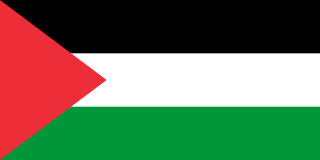
The Palestinian flag features black, white, green and red, colours shared across many Arab national flags, each representing historical Arab unity.
Olive trees are central to Palestinian culture and agriculture, some olive trees in the region are over 2,000 years old and still bear fruit today.
Palestine declared independence on 15 November 1988 in Algiers, a declaration that was swiftly recognised by dozens of countries around the world.
Palestine is located in Western Asia, Asia, with its capital city in Ramallah.
The population of Palestine is approximately 5.4M, spread across 6,020 km² of territory.
Palestine has a population density of 897/km²: one of the more densely populated countries in the region.
Palestine has a coastline of 40 km (Gaza Strip), giving it access to maritime trade, fishing and coastal tourism.
Palestine shares land borders with 3 countries: Israel, Jordan, Egypt.
The official language of Palestine is Arabic.
Palestine uses the Israeli Shekel / Jordanian Dinar as its official currency.
Palestine gained independence in 1988 (declaration), establishing itself as a sovereign nation in Western Asia.
The total GDP of Palestine is $18.5B, with a GDP per capita of $3,400, classifying it as a lower-middle-income economy.
Palestine has a mediterranean along coast, arid in east climate, with the best time to visit being March–May, September–November.
Palestine is considered a Budget destination for travellers, with meals averaging $5–12.
Palestine is one of the oldest continuously inhabited regions on Earth, with settlements in Jericho dating back over 10,000 years, making it one of the earliest known human civilisations.
🏆 Palestine World Rankings
Palestine holds several notable world rankings; here is how it compares globally:
Famous Places in Palestine
Palestine is home to several remarkable landmarks and destinations that draw visitors from around the world:
⛪ Church of the Nativity
Located in Bethlehem, this is one of the oldest continuously operating Christian churches in the world, built over the traditional birthplace of Jesus.
🕌 Al-Aqsa Mosque
One of the holiest sites in Islam, located in the Old City of Jerusalem. It is the third holiest site in Islam after Mecca and Medina.
🏛️ Jericho
One of the oldest cities in the world, Jericho sits in the Jordan Valley and has been inhabited for over 10,000 years.
Frequently Asked Questions About Palestine
What is Palestine famous for?
Palestine is one of the oldest continuously inhabited regions on Earth, with settlements in Jericho dating back over 10,000 years, making it one of the earliest known human civilisations.
What is the capital of Palestine?
The capital of Palestine is Ramallah.
What is the population of Palestine?
The population estimate for Palestine is approximately 5.4M.
What language do they speak in Palestine?
The official language of Palestine is Arabic.
When did Palestine become an independent country?
Palestine gained independence in 1988 (declaration).
What currency does Palestine use?
Palestine uses the Israeli Shekel / Jordanian Dinar.
What is the GDP of Palestine?
Palestine has a GDP of $18.5B, with a GDP per capita of $3,400.
Where is Palestine located?
Palestine is located in Western Asia, Asia.
Is Palestine safe to visit?
Safety conditions in Palestine vary by region. Always check your government's official travel advisory before visiting.
What are some fun facts about Palestine?
Jericho, located in the West Bank, is widely considered one of the oldest continuously inhabited cities in the world, with evidence of settlement dating back over 10,000 years. Palestine is recognised as a sovereign state by 146 of the 193 UN member states, making it one of the most widely recognised non-member observer states. The Palestinian flag features black, white, green and red, colours shared across many Arab national flags, each representing historical Arab unity.
What are some interesting facts about Palestine?
Palestine is recognised as a sovereign state by 146 of the 193 UN member states, making it one of the most widely recognised non-member observer states. The Palestinian flag features black, white, green and red, colours shared across many Arab national flags, each representing historical Arab unity. Olive trees are central to Palestinian culture and agriculture, some olive trees in the region are over 2,000 years old and still bear fruit today.
Palestine facts: what should I know?
Palestine is a country in Western Asia with a population of 5.4M. Its capital is Ramallah and its official language is Arabic. Jericho, located in the West Bank, is widely considered one of the oldest continuously inhabited cities in the world, with evidence of settlement dating back over 10,000 years.
Explore More About Palestine
Want to explore another country? Generate a random country and discover somewhere new.