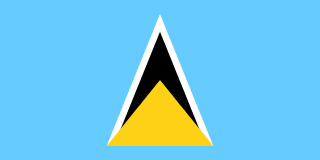
Saint Lucia
Saint Lucia is a country in Caribbean, North America. Its capital is Castries, with a population of approximately 184K and a total area of 616 km². The official language is English and the currency is the East Caribbean Dollar (XCD).
📊 Quick Facts about Saint Lucia
Saint Lucia covers an area of 616 km² with a population density of 299/km² people per km². The country has a GDP of $2.2B ($11,957 per capita) and gained independence in 1979. It has a coastline of 158 km.
Saint Lucia has produced more Nobel Prize winners per capita than any other country, two laureates (Derek Walcott in Literature and Sir Arthur Lewis in Economics) from a tiny island of 180,000 people.
✈️ Travel Information for Saint Lucia
⚠️ Visa requirements change frequently. Always verify with the official embassy or consulate before travel.
Full Saint Lucia travel guide: visa, costs, plug, safety →📍 Saint Lucia on the Map

Google Street View not available here. Showing community photos via Mapillary (CC BY-SA).
🏆 Saint Lucia World Rankings
🏛 Must-See Places in Saint Lucia
UNESCO twin volcanic spires rising 770m from the Caribbean Sea, Saint Lucia's defining image
The world's only drive-in volcano, a bubbling pit of sulfurous mud you can bathe in
A historic fort on a causeway with views across the channel to Martinique
A stunning volcanic beach framed by the Pitons, world-class snorkelling and diving
⚖️ Compare Saint Lucia with another country
See how Saint Lucia stacks up against its neighbours and peers. Each comparison shows population, area, GDP, language, currency and more, side by side.
vs vs
vs vs
vs vs
vs
❓ Frequently Asked Questions about Saint Lucia
What is the capital of Saint Lucia?
The capital of Saint Lucia is Castries.
What continent is Saint Lucia in?
Saint Lucia is located in North America, in the Caribbean region.
What currency does Saint Lucia use?
Saint Lucia uses the East Caribbean Dollar (XCD). The international calling code is +1-758.
What is the GDP of Saint Lucia?
Saint Lucia has a GDP of $2.2B, with a GDP per capita of $11,957.
🌍 Explore More Countries in Caribbean
Ready to explore somewhere new?
Share Saint Lucia