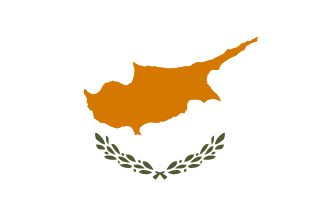
Cyprus
Cyprus is a country in Middle East, Asia. Its capital is Nicosia, with a population of approximately 1.2M and a total area of 9,251 km². The official languages are Greek / Turkish and the currency is the Euro (€).
📊 Quick Facts about Cyprus
Cyprus covers an area of 9,251 km² with a population density of 130/km² people per km². The country has a GDP of $27.7B ($23,083 per capita) and gained independence in 1960. It has a coastline of 648 km.
Cyprus gave copper its name, the Latin word cuprum comes from Kypros. The island is also the mythological birthplace of Aphrodite, and Nicosia remains the world's last divided capital city, split between Greek and Turkish Cypriot zones.
✈️ Travel Information for Cyprus
⚠️ Visa requirements change frequently. Always verify with the official embassy or consulate before travel.
Full Cyprus travel guide: visa, costs, plug, safety →📍 Cyprus on the Map
⚠ Coverage varies by country. Zoom in or drag to explore.
🏆 Cyprus World Rankings
🏛 Must-See Places in Cyprus
The legendary birthplace of Aphrodite, a sea stack rising from turquoise Mediterranean waters
Cyprus's most important monastery, founded in 1100 AD, housing an icon of the Virgin Mary
UNESCO Roman mosaics among the world's finest, with tombs carved into living rock
The world's last divided capital, the UN Buffer Zone runs through the city's heart
⚖️ Compare Cyprus with another country
See how Cyprus stacks up against its neighbours and peers. Each comparison shows population, area, GDP, language, currency and more, side by side.
Or compare any two countries →
❓ Frequently Asked Questions about Cyprus
What is the capital of Cyprus?
The capital of Cyprus is Nicosia.
What continent is Cyprus in?
Cyprus is located in Asia, in the Middle East region.
What currency does Cyprus use?
Cyprus uses the Euro (€). The international calling code is +357.
What is the GDP of Cyprus?
Cyprus has a GDP of $27.7B, with a GDP per capita of $23,083.
🌍 Explore More Countries in Middle East
Ready to explore somewhere new?
Share Cyprus