⚠️ Travel information on this page, including visa requirements, costs and seasonal guidance, is general reference material and may be outdated. Prices are approximate and can change. Verify current entry rules with an official embassy or consulate and check current advisories before making travel plans.
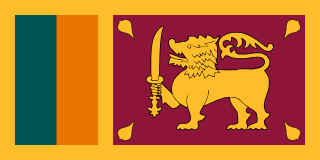 Sri Lanka Travel Guide: Visa, Cost, Best Time & Tips
Planning a trip to Sri Lanka? The best time to visit is December–March (west/south), May–September (east). Travel costs are considered Budget compared to global averages. ETA required.
✈️ Quick Travel Reference
⚠️ Visa requirements change frequently. Always verify with the official embassy or consulate before travel.
Travel information is approximate and may change. Always verify travel advisories with your government's official travel portal before booking.
Best Time to Visit Sri Lanka
The best time to visit Sri Lanka is generally December–March (west/south), May–September (east). During these months, conditions are most favourable for travel, the climate is tropical, two monsoon seasons, making it the most popular window for international visitors. Outside of this period, weather conditions such as extreme heat, heavy rainfall or cold temperatures may affect your experience. If you are travelling on a budget, the shoulder seasons just before and after the peak period often offer lower prices with acceptable conditions.
How Much Does it Cost to Travel to Sri Lanka?
Sri Lanka is considered a Budget destination. A typical restaurant meal costs around $2–6, while accommodation averages $20–60 per night depending on the standard. This makes Sri Lanka an excellent destination for budget-conscious travellers; your money goes further here than in many comparable destinations. For context, nearby Afghanistan is considered Budget, giving you a sense of how Sri Lanka compares within the region.
Visa Requirements for Sri Lanka
ETA required Visa policies can change at short notice; always verify the latest requirements through your country's embassy or the official immigration authority of Sri Lankabefore booking flights. Some nationalities may require a visa in advance, while others can obtain one on arrival or through an online system.
⚠️ Visa requirements change frequently. Always verify with the official embassy or consulate before travel.
Safety in Sri Lanka
Safety conditions in Sri Lanka vary by region and can change over time. Most international visitors travel to Sri Lanka without serious incident, but it is important to check your government's official travel advisory before departing. Register your travel plans with your country's embassy if a registration service is available. Take standard precautions with valuables in crowded areas and keep copies of important documents separately from the originals.
Practical Information
The currency in Sri Lanka is the Rupee (LKR). Electrical sockets use Type D/G/M, 230V; bring an appropriate adapter if your devices use a different standard. Traffic drives on the left side of the road, which may require adjustment for drivers from countries that drive on the right. The international dialling code for Sri Lanka is +94. The official languages are Sinhala / Tamil. Learning a few key phrases in the local language is appreciated by locals and can significantly improve your experience.
Frequently Asked Questions: Travelling to Sri Lanka
What is the best time to visit Sri Lanka?
The best time to visit Sri Lanka is December–March (west/south), May–September (east). The climate is Tropical, two monsoon seasons; outside these months conditions may be less comfortable.
Do I need a visa for Sri Lanka?
ETA required
Is Sri Lanka expensive to visit?
Sri Lanka is considered Budget. Meals average $2–6 and hotels average $20–60 per night.
Is Sri Lanka safe to visit?
Most visitors travel to Sri Lanka without incident. Always check your government's official travel advisory before departing.
What currency does Sri Lanka use?
Sri Lanka uses the Rupee (LKR). Exchange money before arrival or use ATMs in major cities.
What plug adapter do I need for Sri Lanka?
Sri Lanka uses Type D/G/M, 230V. Check compatibility before travelling.
Do they drive on the left or right in Sri Lanka?
Traffic drives on the Left side of the road in Sri Lanka.
What language is spoken in Sri Lanka?
The official languages are Sinhala / Tamil. Learning basic phrases is recommended.