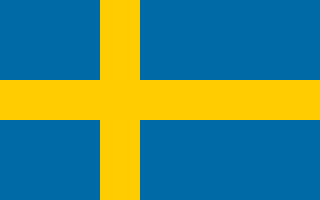
Sweden
Sweden is a country in Scandinavia, Europe. Its capital is Stockholm, with a population of approximately 10.5M and a total area of 450,295 km². The official language is Swedish and the currency is the Krona (SEK).
📊 Quick Facts about Sweden
Sweden covers an area of 450,295 km² with a population density of 23/km² people per km². The country has a GDP of $593B ($56,500 per capita) and gained independence in 1523. It has a coastline of 3,218 km.
Sweden has produced more No.1 Billboard hits per capita than any country except the USA, giving the world ABBA, Avicii, Robyn, and the songwriters behind virtually every major pop act. It also invented the zipper, the pacemaker, and Spotify.
✈️ Travel Information for Sweden
⚠️ Visa requirements change frequently. Always verify with the official embassy or consulate before travel.
Full Sweden travel guide: visa, costs, plug, safety →📍 Sweden on the Map
⚠ Coverage varies by country. Zoom in or drag to explore.
🏆 Sweden World Rankings
🏛 Must-See Places in Sweden
A medieval island city with cobblestone streets dating back to the 13th century
The world's first ice hotel, entirely rebuilt from snow and ice every winter in Lapland
A UNESCO perfectly preserved Hanseatic ring-walled city on the island of Gotland
One of the world's best spots to witness the northern lights under crystal-clear Arctic skies
🗺️ Countries Bordering Sweden
⚖️ Compare Sweden with another country
See how Sweden stacks up against its neighbours and peers. Each comparison shows population, area, GDP, language, currency and more, side by side.
Or compare any two countries →
❓ Frequently Asked Questions about Sweden
What is the capital of Sweden?
The capital of Sweden is Stockholm.
What continent is Sweden in?
Sweden is located in Europe, in the Scandinavia region.
What currency does Sweden use?
Sweden uses the Krona (SEK). The international calling code is +46.
What is the GDP of Sweden?
Sweden has a GDP of $593B, with a GDP per capita of $56,500.
🌍 Explore More Countries in Scandinavia
Ready to explore somewhere new?
Share Sweden