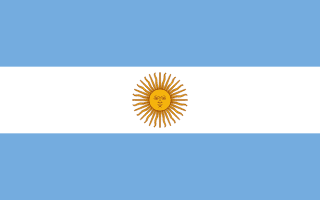
 Argentina Language: What Do They Speak in Argentina?
The official language of Argentina is Spanish. In Spanish, the country is called Argentina. Spanish is used in government, education, media and everyday life across the country.
🗣️ Language at a Glance
About the Spanish Language
Spanish, also called Castilian, grew out of the Vulgar Latin of northern Iberia and first appears in written glosses around the 10th century. Centuries of Moorish rule left it with several thousand Arabic loanwords, including azúcar (sugar), almohada (pillow) and ojalá (hopefully), before the language crossed the Atlantic with the Spanish Empire from 1492 onward. Today it is the official or de facto national language of 20 countries, one of the six official languages of the United Nations, and the world's second most spoken native language after Mandarin Chinese. Spanish is a Romance language descended from Latin, and its closest major relatives are Portuguese, Italian, Catalan and French. Spanish and Portuguese share roughly 90% of their vocabulary, close enough that speakers can often read each other's language even when the spoken forms diverge.
The Latin alphabet: How Spanish is Written
Spanish uses the Latin alphabet with one extra letter, the enye (ñ), plus acute accents that mark stress (á, é, í, ó, ú). Its most distinctive feature is the pair of inverted question and exclamation marks (¿ and ¡) that open a sentence, telling the reader the intonation in advance. Spelling is highly regular: once you know a handful of rules, almost any written word can be pronounced correctly on sight.
Is Spanish a Tonal Language?
No, Spanish is not a tonal language. Word stress can distinguish words (papa means potato, papá means dad), but pitch never changes a word's core meaning the way it does in Mandarin or Vietnamese.
🗨️ Useful Spanish Phrases
A few everyday phrases in Spanish, written in a simple romanized pronunciation so you can read them aloud. Tones and exact sounds vary by region, so treat these as a starting point.
How Hard is Spanish to Learn?
Spanish is consistently rated one of the easiest languages for English speakers: the US Foreign Service Institute places it in its easiest category, around 600 to 750 class hours to professional working proficiency. Spelling is phonetic and thousands of words are recognisable through shared Latin roots. The real work is verb conjugation (each verb has dozens of forms), grammatical gender and the subjunctive mood.
Language Tips for Visitors to Argentina
The official language of Argentina is Spanish, which may be unfamiliar to many international travellers. While English speakers can often be found in larger cities and tourist-heavy areas, it is advisable to learn a few basic phrases before your trip. Locals greatly appreciate any effort to use the local language, even if imperfect. Simple greetings, thank-yous and asking for directions in Spanish will go a long way. The country is officially known as Argentina in Spanish, and the international dialling code is +54.
🌍 Other Countries Where Spanish is Spoken
Spanish is not exclusive to Argentina; it is also spoken in these countries:
Frequently Asked Questions about Language in Argentina
What language do they speak in Argentina?
The official language of Argentina is Spanish.
Is English spoken in Argentina?
English is not an official language in Argentina. The main language is Spanish. English may be spoken in tourist areas.
What is Argentina called in its own language?
Argentina is called "Argentina" in Spanish.
What writing system does Spanish use?
Spanish is written in the Latin alphabet. Spanish uses the Latin alphabet with one extra letter, the enye (ñ), plus acute accents that mark stress (á, é, í, ó, ú). Its most distinctive feature is the pair of inverted question and exclamation marks (¿ and ¡) that open a sentence, telling the reader the intonation in advance. Spelling is highly regular: once you know a handful of rules, almost any written word can be pronounced correctly on sight.
Is Spanish a tonal language?
No, Spanish is not a tonal language. Word stress can distinguish words (papa means potato, papá means dad), but pitch never changes a word's core meaning the way it does in Mandarin or Vietnamese.
How do you say hello in Spanish?
"Hello" in Spanish is "hola (OH-lah)".
Is Spanish hard to learn?
Spanish is consistently rated one of the easiest languages for English speakers: the US Foreign Service Institute places it in its easiest category, around 600 to 750 class hours to professional working proficiency. Spelling is phonetic and thousands of words are recognisable through shared Latin roots. The real work is verb conjugation (each verb has dozens of forms), grammatical gender and the subjunctive mood.
How many official languages does Argentina have?
Argentina has one official language: Spanish.
Do I need to speak Spanish to visit Argentina?
It is not required but learning basic phrases in Spanish is strongly recommended and appreciated.
What is the calling code for Argentina?
The international dialling code for Argentina is +54.
What is the population of Argentina?
Argentina has a population of approximately 46.2M, all of whom use Spanish as the official language.