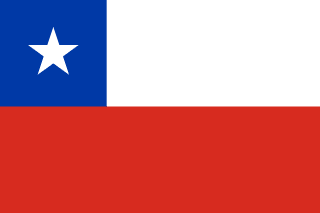
Chile
Chile is a country in South America, South America. Its capital is Santiago, with a population of approximately 19.5M and a total area of 756,102 km². The official language is Spanish and the currency is the Peso (CLP).
📊 Quick Facts about Chile
Chile covers an area of 756,102 km² with a population density of 26/km² people per km². The country has a GDP of $317B ($16,260 per capita) and gained independence in 1818. It has a coastline of 6,435 km.
Chile is the world's longest country from north to south, stretching 4,300km, yet averages only 177km wide. The Atacama Desert is so dry that some weather stations have never recorded rain.
✈️ Travel Information for Chile
⚠️ Visa requirements change frequently. Always verify with the official embassy or consulate before travel.
Full Chile travel guide: visa, costs, plug, safety →📍 Chile on the Map
⚠ Coverage varies by country. Zoom in or drag to explore.
🏆 Chile World Rankings
🏛 Must-See Places in Chile
Patagonia's crown jewel, jagged granite towers above glaciers and turquoise lakes
The driest desert on Earth, with surreal salt flats, geysers and star-filled skies
A remote UNESCO island with 887 mysterious moai stone statues
Swirling blue marble caverns rising from the turquoise waters of Lake General Carrera
🗺️ Countries Bordering Chile
⚖️ Compare Chile with another country
See how Chile stacks up against its neighbours and peers. Each comparison shows population, area, GDP, language, currency and more, side by side.
Or compare any two countries →
❓ Frequently Asked Questions about Chile
What is the capital of Chile?
The capital of Chile is Santiago.
What continent is Chile in?
Chile is located in South America, in the South America region.
What currency does Chile use?
Chile uses the Peso (CLP). The international calling code is +56.
What is the GDP of Chile?
Chile has a GDP of $317B, with a GDP per capita of $16,260.
🌍 Explore More Countries in South America
Ready to explore somewhere new?
Share Chile