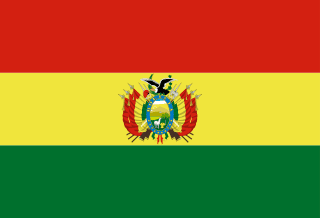
Bolivia
Bolivia is a country in South America, South America. Its capital is Sucre / La Paz, with a population of approximately 12.1M and a total area of 1,098,581 km². The official languages are Spanish / Quechua / Aymara and the currency is the Boliviano (BOB).
📊 Quick Facts about Bolivia
Bolivia covers an area of 1,098,581 km² with a population density of 11/km² people per km². The country has a GDP of $40.9B ($3,370 per capita) and gained independence in 1825. It is a landlocked country with no coastline.
Bolivia's Salar de Uyuni is the world's largest salt flat, so reflective in the wet season that it becomes a perfect mirror of the sky. The country also holds the world's largest lithium reserves, crucial for modern batteries.
✈️ Travel Information for Bolivia
⚠️ Visa requirements change frequently. Always verify with the official embassy or consulate before travel.
Full Bolivia travel guide: visa, costs, plug, safety →📍 Bolivia on the Map
⚠ Coverage varies by country. Zoom in or drag to explore.
🏆 Bolivia World Rankings
🏛 Must-See Places in Bolivia
The world's largest salt flat at 10,582 km², a blinding white mirror at 3,656m altitude
The world's highest navigable lake at 3,812m, shared with Peru
A UNESCO pre-Columbian city that was the capital of a powerful empire from 500–1000 AD
An eerie moonscape of clay spires and labyrinths sculpted by erosion outside La Paz
🗺️ Countries Bordering Bolivia
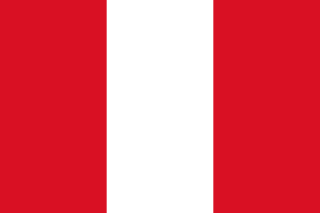
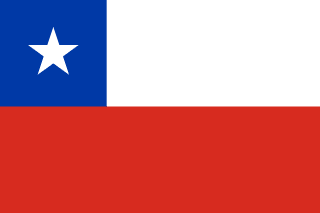
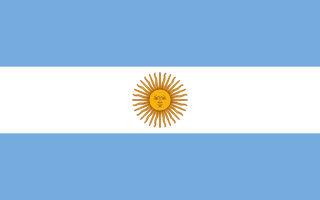
⚖️ Compare Bolivia with another country
See how Bolivia stacks up against its neighbours and peers. Each comparison shows population, area, GDP, language, currency and more, side by side.
Or compare any two countries →❓ Frequently Asked Questions about Bolivia
What is the capital of Bolivia?
The capital of Bolivia is Sucre / La Paz.
What continent is Bolivia in?
Bolivia is located in South America, in the South America region.
What currency does Bolivia use?
Bolivia uses the Boliviano (BOB). The international calling code is +591.
What is the GDP of Bolivia?
Bolivia has a GDP of $40.9B, with a GDP per capita of $3,370.
🌍 Explore More Countries in South America
Ready to explore somewhere new?
Share Bolivia