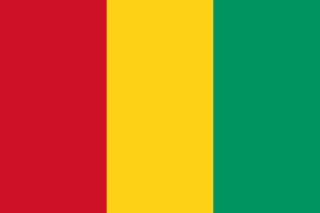
Guinea
Guinea is a country in West Africa, Africa. Its capital is Conakry, with a population of approximately 13.5M and a total area of 245,857 km². The official language is French and the currency is the Guinean Franc (GNF).
📊 Quick Facts about Guinea
Guinea covers an area of 245,857 km² with a population density of 55/km² people per km². The country has a GDP of $15.9B ($1,178 per capita) and gained independence in 1958. It has a coastline of 320 km.
Guinea is called the Water Tower of West Africa because three of the region's major rivers, the Niger, Senegal and Gambia, all originate in the Fouta Djallon highlands here. The country also holds the world's largest bauxite reserves.
✈️ Travel Information for Guinea
⚠️ Visa requirements change frequently. Always verify with the official embassy or consulate before travel.
Full Guinea travel guide: visa, costs, plug, safety →📍 Guinea on the Map

Google Street View not available here. Showing community photos via Mapillary (CC BY-SA).
🏆 Guinea World Rankings
🏛 Must-See Places in Guinea
A dramatic highland plateau with waterfalls, deep gorges and traditional Fulani villages
UNESCO trans-border mountain massif with unique biodiversity, viviparous toads found nowhere else
A beautiful archipelago of palm-fringed islands just off Conakry, pirate hideouts turned beach paradise
Spectacular waterfalls in the lush highlands east of Conakry
🗺️ Countries Bordering Guinea
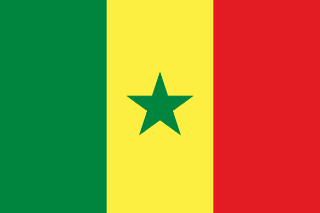
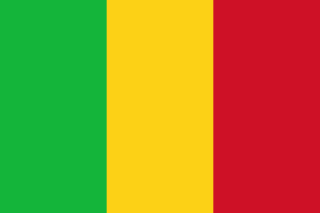
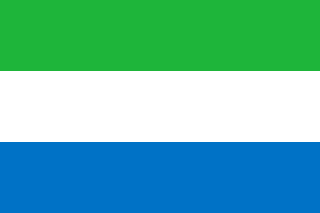

⚖️ Compare Guinea with another country
See how Guinea stacks up against its neighbours and peers. Each comparison shows population, area, GDP, language, currency and more, side by side.
Or compare any two countries →❓ Frequently Asked Questions about Guinea
What is the capital of Guinea?
The capital of Guinea is Conakry.
What continent is Guinea in?
Guinea is located in Africa, in the West Africa region.
What currency does Guinea use?
Guinea uses the Guinean Franc (GNF). The international calling code is +224.
What is the GDP of Guinea?
Guinea has a GDP of $15.9B, with a GDP per capita of $1,178.
🌍 Explore More Countries in West Africa
Ready to explore somewhere new?
Share Guinea