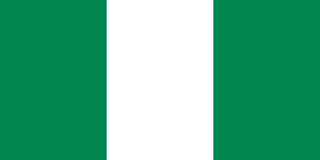
Nigeria
Nigeria is a country in West Africa, Africa. Its capital is Abuja, with a population of approximately 222M and a total area of 923,768 km². The official language is English and the currency is the Naira (NGN).
📊 Quick Facts about Nigeria
Nigeria covers an area of 923,768 km² with a population density of 240/km² people per km². The country has a GDP of $477B ($2,150 per capita) and gained independence in 1960. It has a coastline of 853 km.
Nigeria is home to Nollywood, the world's second-largest film industry by volume, producing over 2,500 movies per year. The country also has more English speakers than England, and Lagos is Africa's largest city by population.
✈️ Travel Information for Nigeria
⚠️ Visa requirements change frequently. Always verify with the official embassy or consulate before travel.
Full Nigeria travel guide: visa, costs, plug, safety →📍 Nigeria on the Map

Google Street View not available here. Showing community photos via Mapillary (CC BY-SA).
🏆 Nigeria World Rankings
🏛 Must-See Places in Nigeria
A massive 725m monolith rising dramatically from the plains near Abuja, Nigeria's unofficial emblem
A UNESCO sacred forest of Yoruba shrines and sculptures along a river
Nigeria's premier wildlife reserve with hippos, elephants and rare West African lions
The pulsating heart of Africa's largest city, a mosaic of colonial buildings and street life
🗺️ Countries Bordering Nigeria
⚖️ Compare Nigeria with another country
See how Nigeria stacks up against its neighbours and peers. Each comparison shows population, area, GDP, language, currency and more, side by side.
Or compare any two countries →❓ Frequently Asked Questions about Nigeria
What is the capital of Nigeria?
The capital of Nigeria is Abuja.
What continent is Nigeria in?
Nigeria is located in Africa, in the West Africa region.
What currency does Nigeria use?
Nigeria uses the Naira (NGN). The international calling code is +234.
What is the GDP of Nigeria?
Nigeria has a GDP of $477B, with a GDP per capita of $2,150.
🌍 Explore More Countries in West Africa
Ready to explore somewhere new?
Share Nigeria