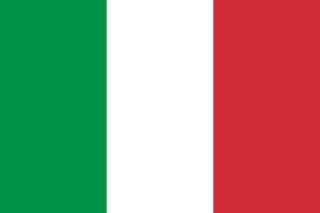
Italy
Italy is a country in Southern Europe, Europe. Its capital is Rome, with a population of approximately 60.3M and a total area of 301,340 km². The official language is Italian and the currency is the Euro (€).
📊 Quick Facts about Italy
Italy covers an area of 301,340 km² with a population density of 200/km² people per km². The country has a GDP of $2.05T ($34,000 per capita) and gained independence in 1861. It has a coastline of 7,600 km.
Italy has more UNESCO World Heritage Sites than any other country, 58 in total. It is home to the world's smallest country (Vatican City), the oldest operating university (Bologna, 1088), and has given the world pizza, pasta, opera, and the Renaissance.
✈️ Travel Information for Italy
⚠️ Visa requirements change frequently. Always verify with the official embassy or consulate before travel.
Full Italy travel guide: visa, costs, plug, safety →📍 Italy on the Map
⚠ Coverage varies by country. Zoom in or drag to explore.
🏆 Italy World Rankings
🏛 Must-See Places in Italy
The world's largest ancient amphitheatre, a 2,000-year-old icon of Roman engineering
A UNESCO city of 118 islands connected by 400 bridges and navigated by gondola
Brunelleschi's impossibly large Renaissance dome that changed architecture forever
Five UNESCO pastel fishing villages clinging to dramatic Ligurian cliffsides
🗺️ Countries Bordering Italy
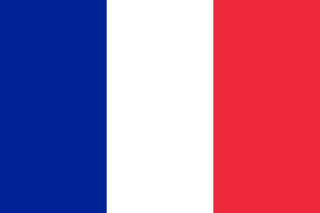

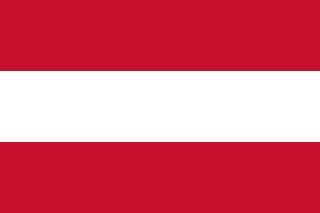
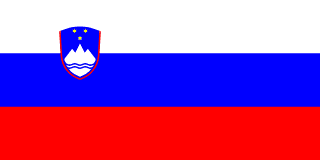

⚖️ Compare Italy with another country
See how Italy stacks up against its neighbours and peers. Each comparison shows population, area, GDP, language, currency and more, side by side.
Or compare any two countries →❓ Frequently Asked Questions about Italy
What is the capital of Italy?
The capital of Italy is Rome.
What continent is Italy in?
Italy is located in Europe, in the Southern Europe region.
What currency does Italy use?
Italy uses the Euro (€). The international calling code is +39.
What is the GDP of Italy?
Italy has a GDP of $2.05T, with a GDP per capita of $34,000.
🌍 Explore More Countries in Southern Europe
Ready to explore somewhere new?
Share Italy