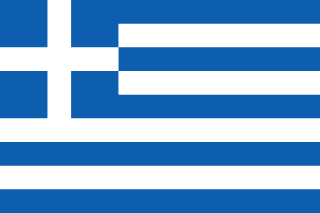
Greece
Greece is a country in Southern Europe, Europe. Its capital is Athens, with a population of approximately 10.6M and a total area of 131,957 km². The official language is Greek and the currency is the Euro (€).
📊 Quick Facts about Greece
Greece covers an area of 131,957 km² with a population density of 80/km² people per km². The country has a GDP of $222B ($20,930 per capita) and gained independence in 1821. It has a coastline of 13,676 km.
Greece is the birthplace of democracy, the Olympic Games, Western philosophy, and the marathon. It has more archaeological museums than any other country in the world.
✈️ Travel Information for Greece
⚠️ Visa requirements change frequently. Always verify with the official embassy or consulate before travel.
Full Greece travel guide: visa, costs, plug, safety →📍 Greece on the Map
⚠ Coverage varies by country. Zoom in or drag to explore.
🏆 Greece World Rankings
🏛 Must-See Places in Greece
The UNESCO Parthenon temple crowning Athens, the most important ancient Greek monument
Iconic white-washed villages and blue domes perched on a volcanic caldera rim
UNESCO monasteries perched impossibly atop soaring sandstone rock pillars
A UNESCO sanctuary once considered the centre of the world, home to the Oracle
🗺️ Countries Bordering Greece
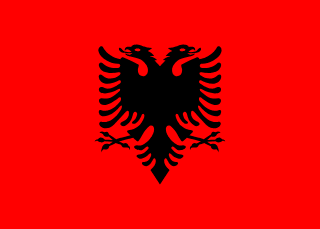
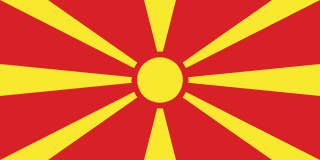
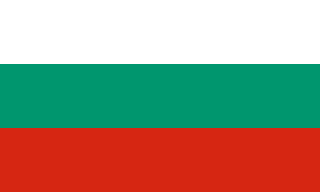
⚖️ Compare Greece with another country
See how Greece stacks up against its neighbours and peers. Each comparison shows population, area, GDP, language, currency and more, side by side.
Or compare any two countries →❓ Frequently Asked Questions about Greece
What is the capital of Greece?
The capital of Greece is Athens.
What continent is Greece in?
Greece is located in Europe, in the Southern Europe region.
What currency does Greece use?
Greece uses the Euro (€). The international calling code is +30.
What is the GDP of Greece?
Greece has a GDP of $222B, with a GDP per capita of $20,930.
🌍 Explore More Countries in Southern Europe
Ready to explore somewhere new?
Share Greece