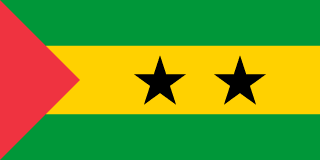
 Sao Tome and Principe Language: What Do They Speak in Sao Tome and Principe?
The official language of Sao Tome and Principe is Portuguese. In Portuguese, the country is called São Tomé e Príncipe. Portuguese is used in government, education, media and everyday life across the country.
🗣️ Language at a Glance
About the Portuguese Language
Portuguese grew out of the medieval Galician-Portuguese of northwestern Iberia, and the Age of Discoveries carried it around the globe from the 15th century: to Brazil, to the African coast, and as far as Goa, Macau and Timor. Today it is official in Portugal, Brazil, Angola, Mozambique, Cape Verde, Guinea-Bissau, São Tomé and Príncipe, Equatorial Guinea and East Timor, making it the most spoken language in the Southern Hemisphere. Portuguese descends from Latin and its closest relative is Galician, spoken just across the border in northwestern Spain, with which it is largely mutually intelligible. It is also close to Spanish, though intelligibility is famously one-sided: Portuguese speakers tend to understand Spanish far more easily than the reverse.
The Latin alphabet: How Portuguese is Written
Portuguese uses the Latin alphabet with a rich set of diacritics: the tilde marks nasal vowels (São Paulo, pão), the cedilla softens c (ç), and acute, grave and circumflex accents mark stress and vowel quality. A 1990 orthographic agreement largely unified spelling between Portugal and Brazil, though pronunciation still differs markedly between the two standards.
Is Portuguese a Tonal Language?
No, Portuguese is not a tonal language. Its signature sound is nasality: nasal vowels and diphthongs like the ão in pão (bread) give the language its distinctive music but never change meaning through pitch.
🗨️ Useful Portuguese Phrases
A few everyday phrases in Portuguese, written in a simple romanized pronunciation so you can read them aloud. Tones and exact sounds vary by region, so treat these as a starting point.
How Hard is Portuguese to Learn?
Portuguese sits in the US Foreign Service Institute's easiest category for English speakers, around 600 to 750 class hours, with vocabulary that overlaps heavily with English through Latin. The challenge is the sound system: nasal vowels take practice, and European Portuguese swallows unstressed vowels so aggressively that learners usually find Brazilian pronunciation much easier to follow.
Language Tips for Visitors to Sao Tome and Principe
The official language of Sao Tome and Principe is Portuguese, which may be unfamiliar to many international travellers. While English speakers can often be found in larger cities and tourist-heavy areas, it is advisable to learn a few basic phrases before your trip. Locals greatly appreciate any effort to use the local language, even if imperfect. Simple greetings, thank-yous and asking for directions in Portuguese will go a long way. The country is officially known as São Tomé e Príncipe in Portuguese, and the international dialling code is +239.
🌍 Other Countries Where Portuguese is Spoken
Portuguese is not exclusive to Sao Tome and Principe; it is also spoken in these countries:
Frequently Asked Questions about Language in Sao Tome and Principe
What language do they speak in Sao Tome and Principe?
The official language of Sao Tome and Principe is Portuguese.
Is English spoken in Sao Tome and Principe?
English is not an official language in Sao Tome and Principe. The main language is Portuguese. English may be spoken in tourist areas.
What is Sao Tome and Principe called in its own language?
Sao Tome and Principe is called "São Tomé e Príncipe" in Portuguese.
What writing system does Portuguese use?
Portuguese is written in the Latin alphabet. Portuguese uses the Latin alphabet with a rich set of diacritics: the tilde marks nasal vowels (São Paulo, pão), the cedilla softens c (ç), and acute, grave and circumflex accents mark stress and vowel quality. A 1990 orthographic agreement largely unified spelling between Portugal and Brazil, though pronunciation still differs markedly between the two standards.
Is Portuguese a tonal language?
No, Portuguese is not a tonal language. Its signature sound is nasality: nasal vowels and diphthongs like the ão in pão (bread) give the language its distinctive music but never change meaning through pitch.
How do you say hello in Portuguese?
"Hello" in Portuguese is "olá (oh-LAH)".
Is Portuguese hard to learn?
Portuguese sits in the US Foreign Service Institute's easiest category for English speakers, around 600 to 750 class hours, with vocabulary that overlaps heavily with English through Latin. The challenge is the sound system: nasal vowels take practice, and European Portuguese swallows unstressed vowels so aggressively that learners usually find Brazilian pronunciation much easier to follow.
How many official languages does Sao Tome and Principe have?
Sao Tome and Principe has one official language: Portuguese.
Do I need to speak Portuguese to visit Sao Tome and Principe?
It is not required but learning basic phrases in Portuguese is strongly recommended and appreciated.
What is the calling code for Sao Tome and Principe?
The international dialling code for Sao Tome and Principe is +239.
What is the population of Sao Tome and Principe?
Sao Tome and Principe has a population of approximately 227K, all of whom use Portuguese as the official language.