 Switzerland Language: What Do They Speak in Switzerland?
The official languages of Switzerland are German / French / Italian / Romansh. In German, the country is called Schweiz / Suisse. Switzerland is officially multilingual, with 4 recognised languages reflecting its diverse cultural and ethnic heritage.
🗣️ Language at a Glance
About the German Language
Standard German (Hochdeutsch) crystallised around Martin Luther's Bible translation of the 1520s and 1530s, which gave the many German dialects a common written form. Regional speech remains vigorous: Bavarian, Swabian and especially Swiss German can be hard for northern Germans to follow. The language of Goethe, Kant and Einstein, German is today the most spoken native language in the EU and a major language of science, engineering and publishing. German is a West Germanic language, closely related to Dutch, Luxembourgish, Yiddish and English. The kinship with English is easy to spot in pairs like Wasser and water or Apfel and apple, where German underwent a consonant shift that English never made.
The Latin alphabet: How German is Written
German uses the Latin alphabet plus three umlauted vowels (ä, ö, ü) and the eszett (ß), a letter for a sharp s that exists in no other language. Uniquely among major languages, every noun is capitalised, not just names. German is also famous for building long compound nouns on the fly: a glove is a Handschuh, literally a hand shoe, and bureaucratic compounds can run to dozens of letters.
Is German a Tonal Language?
No, German is not a tonal language. Stress usually falls on the first syllable of native words, and meaning is carried by vowels and consonants rather than pitch.
🗨️ Useful German Phrases
A few everyday phrases in German, written in a simple romanized pronunciation so you can read them aloud. Tones and exact sounds vary by region, so treat these as a starting point.
How Hard is German to Learn?
The US Foreign Service Institute rates German slightly harder than French or Spanish, around 900 class hours. The grammar is the workout: four cases, three genders that often defy logic (das Mädchen, the girl, is grammatically neuter), and verbs that migrate to the end of subordinate clauses. In compensation, spelling and pronunciation are very regular, and the shared Germanic core vocabulary gives English speakers a head start.
Multilingual Heritage of Switzerland
Switzerland officially recognises 4 languages: German, French, Italian, Romansh. This multilingual status is a reflection of the country's history, ethnic diversity and cultural complexity. Different regions or communities may predominantly use one language over another, and all official languages are typically represented in government, education and public services. Multilingual countries often have rich cultural traditions that draw from each language community.
Language Tips for Visitors to Switzerland
The official language of Switzerland is German, which may be unfamiliar to many international travellers. While English speakers can often be found in larger cities and tourist-heavy areas, it is advisable to learn a few basic phrases before your trip. Locals greatly appreciate any effort to use the local language, even if imperfect. Simple greetings, thank-yous and asking for directions in German will go a long way. The country is officially known as Schweiz / Suisse in German, and the international dialling code is +41.
🌍 Other Countries Where German is Spoken
German is not exclusive to Switzerland; it is also spoken in these countries:
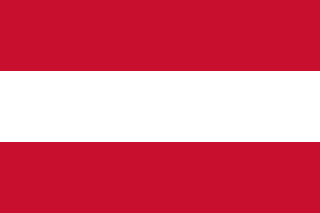

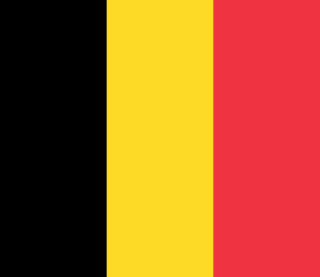
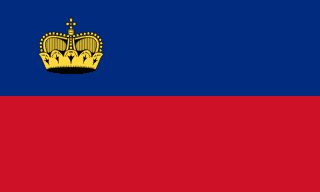
Frequently Asked Questions about Language in Switzerland
What language do they speak in Switzerland?
The official languages of Switzerland are German / French / Italian / Romansh.
Is English spoken in Switzerland?
English is not an official language in Switzerland. The main language is German. English may be spoken in tourist areas.
What is Switzerland called in its own language?
Switzerland is called "Schweiz / Suisse" in German.
What writing system does German use?
German is written in the Latin alphabet. German uses the Latin alphabet plus three umlauted vowels (ä, ö, ü) and the eszett (ß), a letter for a sharp s that exists in no other language. Uniquely among major languages, every noun is capitalised, not just names. German is also famous for building long compound nouns on the fly: a glove is a Handschuh, literally a hand shoe, and bureaucratic compounds can run to dozens of letters.
Is German a tonal language?
No, German is not a tonal language. Stress usually falls on the first syllable of native words, and meaning is carried by vowels and consonants rather than pitch.
How do you say hello in German?
"Hello" in German is "hallo".
Is German hard to learn?
The US Foreign Service Institute rates German slightly harder than French or Spanish, around 900 class hours. The grammar is the workout: four cases, three genders that often defy logic (das Mädchen, the girl, is grammatically neuter), and verbs that migrate to the end of subordinate clauses. In compensation, spelling and pronunciation are very regular, and the shared Germanic core vocabulary gives English speakers a head start.
How many official languages does Switzerland have?
Switzerland has 4 official languages: German, French, Italian, Romansh.
Do I need to speak German to visit Switzerland?
It is not required but learning basic phrases in German is strongly recommended and appreciated.
What is the calling code for Switzerland?
The international dialling code for Switzerland is +41.
What is the population of Switzerland?
Switzerland has a population of approximately 8.7M, all of whom use German / French / Italian / Romansh as the official languages.