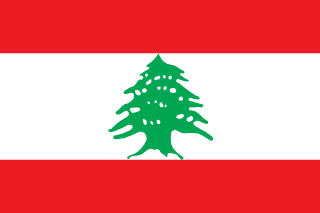
Lebanon
Lebanon is a country in Middle East, Asia. Its capital is Beirut, with a population of approximately 5.4M and a total area of 10,452 km². The official language is Arabic and the currency is the Lebanese Pound (LBP).
📊 Quick Facts about Lebanon
Lebanon covers an area of 10,452 km² with a population density of 517/km² people per km². The country has a GDP of $23.1B ($4,278 per capita) and gained independence in 1943. It has a coastline of 225 km.
Lebanon is one of the smallest countries in the world yet one of the most religiously complex, 18 officially recognised religious communities share power through a unique confessional political system. Its cuisine has spread to every corner of the globe.
✈️ Travel Information for Lebanon
⚠️ Visa requirements change frequently. Always verify with the official embassy or consulate before travel.
Full Lebanon travel guide: visa, costs, plug, safety →📍 Lebanon on the Map
⚠ Coverage varies by country. Zoom in or drag to explore.
🏆 Lebanon World Rankings
🏛 Must-See Places in Lebanon
An extraordinary underground cave system with the world's largest stalactite, 8.2m long
UNESCO colossal Roman temples, the Temple of Jupiter has the largest stone blocks ever used in construction
UNESCO one of the oldest continuously inhabited cities in the world, 7,000 years of history
A grove of ancient cedar trees, some over 3,000 years old, survivors of Lebanon's once-vast cedar forests
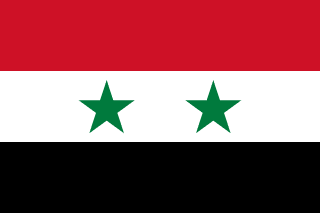
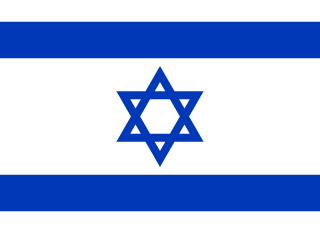
🗺️ Countries Bordering Lebanon
⚖️ Compare Lebanon with another country
See how Lebanon stacks up against its neighbours and peers. Each comparison shows population, area, GDP, language, currency and more, side by side.
Or compare any two countries →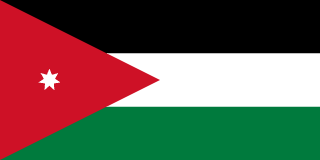
❓ Frequently Asked Questions about Lebanon
What is the capital of Lebanon?
The capital of Lebanon is Beirut.
What continent is Lebanon in?
Lebanon is located in Asia, in the Middle East region.
What currency does Lebanon use?
Lebanon uses the Lebanese Pound (LBP). The international calling code is +961.
What is the GDP of Lebanon?
Lebanon has a GDP of $23.1B, with a GDP per capita of $4,278.
🌍 Explore More Countries in Middle East
Ready to explore somewhere new?
Share Lebanon