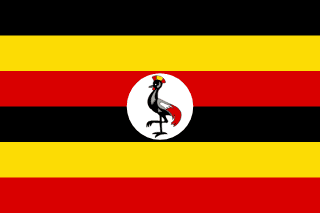
Uganda
Uganda is a country in East Africa, Africa. Its capital is Kampala, with a population of approximately 47.1M and a total area of 241,038 km². The official languages are English / Swahili and the currency is the Ugandan Shilling (UGX).
📊 Quick Facts about Uganda
Uganda covers an area of 241,038 km² with a population density of 195/km² people per km². The country has a GDP of $45.5B ($967 per capita) and gained independence in 1962. It is a landlocked country with no coastline.
Uganda is home to half the world's remaining mountain gorillas, trekking to see them in Bwindi Impenetrable Forest is one of the most powerful wildlife experiences on Earth. Uganda also contains the source of the Nile, the world's longest river.
✈️ Travel Information for Uganda
⚠️ Visa requirements change frequently. Always verify with the official embassy or consulate before travel.
Full Uganda travel guide: visa, costs, plug, safety →📍 Uganda on the Map
⚠ Coverage varies by country. Zoom in or drag to explore.
🏆 Uganda World Rankings
🏛 Must-See Places in Uganda
UNESCO home to half the world's mountain gorillas, the most moving wildlife encounter on Earth
The world's most powerful waterfall by flow, the Nile squeezes through a 7m gap creating a thundering cataract
Africa's largest lake and the source of the Nile, shared by Uganda, Kenya and Tanzania
UNESCO the Mountains of the Moon, glaciers on the equator and the third highest peak in Africa
🗺️ Countries Bordering Uganda
⚖️ Compare Uganda with another country
See how Uganda stacks up against its neighbours and peers. Each comparison shows population, area, GDP, language, currency and more, side by side.
Or compare any two countries →❓ Frequently Asked Questions about Uganda
What is the capital of Uganda?
The capital of Uganda is Kampala.
What continent is Uganda in?
Uganda is located in Africa, in the East Africa region.
What currency does Uganda use?
Uganda uses the Ugandan Shilling (UGX). The international calling code is +256.
What is the GDP of Uganda?
Uganda has a GDP of $45.5B, with a GDP per capita of $967.
🌍 Explore More Countries in East Africa
Ready to explore somewhere new?
Share Uganda