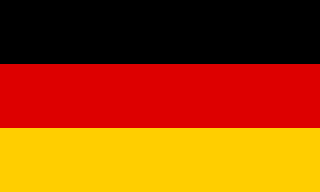
 Germany Geography: Location, Area, Borders & Climate
Germany is a country in Central Europe, Europe, covering a total area of 357,114 km². It has a coastline of 2,389 km along the Central Europe coast. Germany shares land borders with 9 countries.
📐 Geographic Statistics
Where is Germany Located?
Germany is situated in Central Europe, within the broader continent of Europe. The country has a coastline of 2,389 km, providing access to maritime trade, fishing and coastal tourism. This geographic feature has been central to Germany's historical development and economic activity. The capital, Berlin, serves as the country's administrative and economic centre. Within the Central Europe region, Germany sits alongside countries including Austria, Switzerland, Czech Republic.
Size and Area of Germany
Germany covers a total area of 357,114 km², making it one of the smaller nations in the world. With a population of 84.3M across this territory, the population density works out at 236/km²: a moderate distribution of people across the country.
Climate of Germany
The climate of Germany is temperate continental, cold winters, warm summers. The most favourable time to visit is May–September, when conditions are most comfortable for travel and outdoor activities. Climate can vary considerably across different parts of the country; coastal areas, highlands and inland plains often experience quite different conditions. Travellers should research the specific region they plan to visit to plan appropriate clothing and activities.
🗺️ Countries Bordering Germany
Germany shares land borders with 9 countries: Denmark, Poland, Czech Republic, Austria, Switzerland, France, Luxembourg, Belgium, Netherlands. This large number of shared borders reflects Germany's central geographical position within Central Europe.


Frequently Asked Questions about Germany's Geography
Where is Germany located?
Germany is located in Central Europe, Europe. The capital city is Berlin.
How large is Germany?
Germany has a total area of 357,114 km² with a population density of 236/km².
What countries border Germany?
Germany shares land borders with 9 countries: Denmark, Poland, Czech Republic, Austria, Switzerland, France, Luxembourg, Belgium, Netherlands.
Does Germany have a coastline?
Yes, Germany has a coastline of 2,389 km.
What is the climate of Germany?
The climate of Germany is Temperate continental, cold winters, warm summers. The best time to visit is May–September.
What timezone is Germany in?
Germany observes UTC+1/2 timezone.
What continent is Germany in?
Germany is in Europe, specifically in the Central Europe region.
When did Germany become independent?
Germany gained independence in 1871.