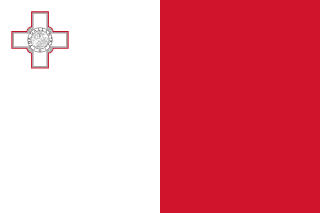
Malta
Malta is a country in Southern Europe, Europe. Its capital is Valletta, with a population of approximately 520K and a total area of 316 km². The official languages are Maltese / English and the currency is the Euro (€).
📊 Quick Facts about Malta
Malta covers an area of 316 km² with a population density of 1,645/km² people per km². The country has a GDP of $18.7B ($35,962 per capita) and gained independence in 1964. It has a coastline of 253 km.
Malta contains the world's oldest freestanding stone structures, the Ġgantija temples, built around 3,600 BC, are 1,000 years older than Stonehenge. This tiny island has more history per square kilometre than almost anywhere else on Earth.
✈️ Travel Information for Malta
⚠️ Visa requirements change frequently. Always verify with the official embassy or consulate before travel.
Full Malta travel guide: visa, costs, plug, safety →📍 Malta on the Map
⚠ Coverage varies by country. Zoom in or drag to explore.
🏆 Malta World Rankings
🏛 Must-See Places in Malta
UNESCO Europe's smallest capital, Baroque palaces, Grand Master's Palace and stunning Grand Harbour
UNESCO underground prehistoric burial site carved from rock, 5,000 years old and remarkably preserved
A stunning turquoise bay between the islands of Comino and Cominotto, crystal clear swimming
A walled medieval city on a hill, car-free, timeless and hauntingly beautiful
⚖️ Compare Malta with another country
See how Malta stacks up against its neighbours and peers. Each comparison shows population, area, GDP, language, currency and more, side by side.
Or compare any two countries →
❓ Frequently Asked Questions about Malta
What is the capital of Malta?
The capital of Malta is Valletta.
What continent is Malta in?
Malta is located in Europe, in the Southern Europe region.
What currency does Malta use?
Malta uses the Euro (€). The international calling code is +356.
What is the GDP of Malta?
Malta has a GDP of $18.7B, with a GDP per capita of $35,962.
🌍 Explore More Countries in Southern Europe
Ready to explore somewhere new?
Share Malta